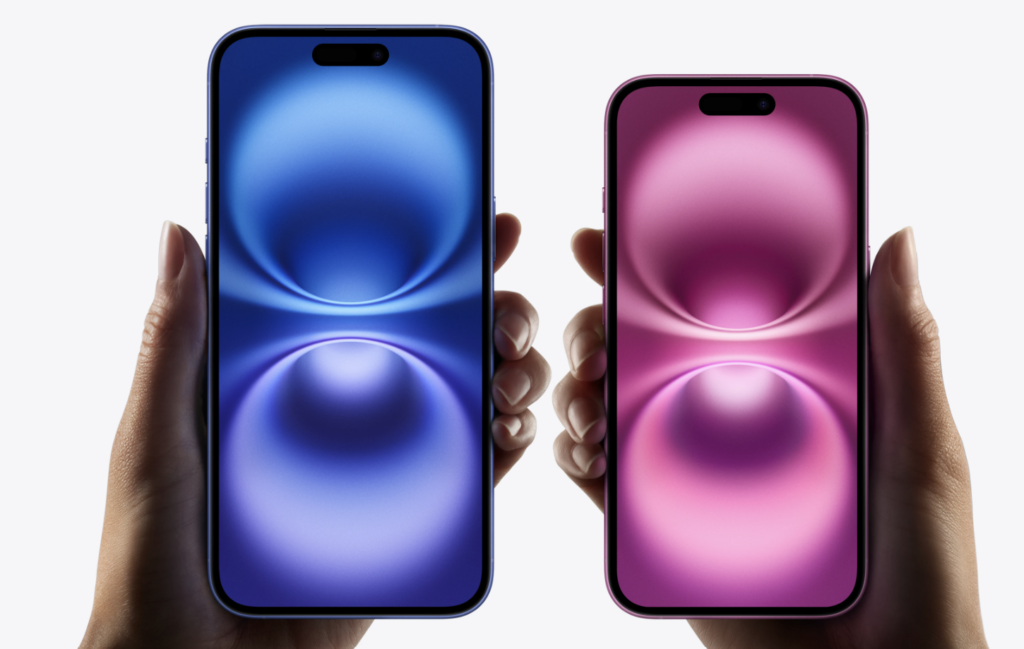
Apple’s iPhone 16 series is now positioned as a prior-generation iPhone, but it remains one of the most compelling options for users who want Apple Intelligence support, the A18 chip, Camera Control, and a lower starting price than the newest flagship models.
The iPhone 16 was launched with iOS 18 and now supports iOS 26, bringing a refreshed Liquid Glass design, expanded Apple Intelligence features, Live Translation, call screening, improved Messages tools, and updates across everyday apps. Hardware highlights still include the 48MP Fusion camera system, A18 chip, Camera Control button, Action button, Emergency SOS via satellite, Wi‑Fi 7, and a durable aluminium-and-glass design.
Design and Display
The iPhone 16 maintains the sleek and modern design that Apple is known for, featuring a durable glass front and back with an aluminum frame. It is available in multiple colors, including Black, White, Pink, Teal and Ultramarine.
The device sports a 6.1-inch Super Retina XDR display, delivering vibrant colors, deep blacks, and excellent brightness levels. However, unlike the Pro models, the standard iPhone 16 does not include ProMotion technology, meaning it sticks with a 60Hz refresh rate.
Performance and Hardware
The iPhone 16 is powered by the A18 chip, which features a new 6-core CPU with two performance cores and four efficiency cores, along with a 5-core GPU and a 16-core Neural Engine. As for RAM, all iPhone 16 models are equipped with 8GB of RAM, providing better performance and support for advanced features. The processor enhances gaming, multitasking, and overall phone responsiveness.
Apple has also introduced a larger vapor chamber cooling system, which helps keep the device cooler during intense gaming or video recording sessions.
Storage Options
The iPhone 16 offers three storage options to cater to different user needs:
- 128GB: Suitable for light users who capture a moderate number of photos and videos and use standard apps.
- 256GB: Ideal for moderate users who take more photos and videos and frequently download and install new apps.
- 512GB: Perfect for heavy users who capture a large number of photos and videos and use a variety of apps.
Camera System
Rear Cameras
- Wide Camera:
- 48-megapixel sensor
- Sensor-shift optical image stabilization (OIS)
- Dual-pixel phase detection autofocus (PDAF)
- Ultra-Wide Camera:
- 12-megapixel sensor
- Wider aperture for improved low-light performance
- Autofocus capability
- 120-degree field of view
Front Camera
- 12-megapixel TrueDepth camera
- Supports Night mode
- Enhanced computational photography features
Battery and Charging
Apple has optimized battery life further, with the iPhone 16 providing up to 20 hours of talk time. It supports MagSafe and Qi2 wireless charging, along with USB-C fast charging that can deliver a 50% charge in approximately 30 minutes.
Software and Features
The iPhone 16 launched with iOS 18 and is now compatible with iOS 26, which adds a major visual redesign and new intelligence-driven features. Notable additions include:
- Liquid Glass design across the Lock Screen, Home Screen, app icons, widgets, and system apps
- Expanded Apple Intelligence features, including smarter Visual Intelligence and improved systemwide assistance
- Live Translation in Messages, Phone, and FaceTime for supported languages and devices
- Call Screening, Hold Assist, improved spam filtering, refreshed Camera and Photos apps, and a new Apple Games app
Pricing and Availability
The iPhone 16 is now sold at a lower starting price than at launch in some markets. In the US, Apple lists the iPhone 16 from $699 and the iPhone 16 Plus from $799 for the 128GB model, with prices varying by country, storage capacity, trade-in value, carrier offers, and local promotions.
iPhone 16 Variations
The original iPhone 16 range included the iPhone 16, iPhone 16 Plus, iPhone 16 Pro, and iPhone 16 Pro Max. Today, the iPhone 16 and iPhone 16 Plus remain attractive lower-cost options, while the Pro models have been superseded in Apple’s lineup. The iPhone 16 features a 6.1-inch display and the A18 chip, while the iPhone 16 Plus offers a larger 6.7-inch display and longer battery life. The discontinued Pro models added larger displays, A18 Pro performance, ProMotion displays, and more advanced camera hardware.
Apple also introduced the iPhone 16e as a more affordable member of the iPhone 16 family, offering Apple Intelligence support, a 6.1-inch display, a 48MP camera, and the A18 chip in a simpler package.
To Buy or not to Buy
Deciding whether to buy the iPhone 16 depends on your budget, current phone, and whether you need the latest display and camera hardware. Here are the updated pros and cons:
Pros:
- Powerful Performance: The iPhone 16 is equipped with the A18 chip, offering significant performance improvements and better power efficiency.
- Camera Quality: The iPhone 16 features a reliable camera system with versatile photographic styles and a new Camera Control button.
- Design Tweaks: The iPhone 16 introduces intriguing design changes without increasing the price.
- Battery Life: The iPhone 16 offers good battery life, making it suitable for daily use.
- Better value now: With a lower starting price in some markets, the iPhone 16 is a stronger value pick than it was at launch.
Cons:
- Standard Refresh Rate: The iPhone 16 has a 60Hz display, which may not be as smooth as the higher refresh rates found in the Pro models.
- Limited Camera Features: While the camera is reliable, it may not have all the advanced features found in the Pro models.
- Not the newest iPhone: It is now a prior-generation model, so shoppers who want the latest display, camera, and performance upgrades should compare it with newer iPhone models before buying.
Ultimately, the iPhone 16 is still a smart buy if you are upgrading from an iPhone 13 or older, want Apple Intelligence support, and prefer a lower price over the newest flagship features. If you already own a recent iPhone or care most about ProMotion, Always-On display, or advanced camera hardware, it is worth comparing the iPhone 16 against newer models before making a decision.
The iPhone 16 remains a strong mid-range iPhone choice in 2026. It combines Apple Intelligence support, reliable performance, a capable 48MP camera system, and years of expected software updates at a more accessible price than newer flagship models. It is no longer the latest iPhone, but for many buyers it still offers one of the best balances of features, longevity, and value in Apple’s lineup.