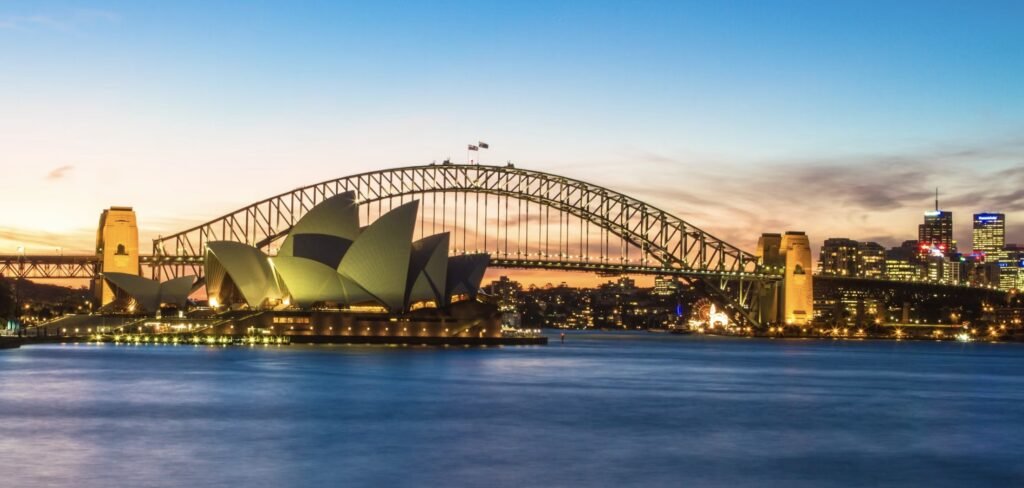
Sydney is an easy introduction to Australia: a city of famous harbour landmarks, ocean beaches, multicultural food and scenic walks.
Before You Go
- Best length: Allow at least three full days for the city, with an extra day for the Blue Mountains or Royal National Park.
- When to visit: Spring and autumn usually suit walking and sightseeing; summer is popular for beaches, while winter can bring clear days and smaller crowds.
- Where to stay: Choose the CBD or Circular Quay for landmark access, Darling Harbour for family attractions, Surry Hills for dining, or Bondi and Manly for a beach-focused stay.
- What to pack: Comfortable walking shoes, layers, a refillable bottle, a hat, sunglasses and broad-spectrum sunscreen.
- Money and power: Australia uses Australian dollars and Type I power plugs. Cards are widely accepted, but a small amount of cash can be useful.
What to Pack for Sydney
Sydney’s changeable coastal weather makes versatile layers more useful than a large wardrobe. Check the forecast shortly before departure, but include these essentials in every season: SPF 50 or SPF 50+ broad-spectrum sunscreen, sunglasses, a broad-brimmed sun hat, a lightweight rain jacket, comfortable walking shoes, swimwear and a compact beach towel.
Seasonal Additions
- Summer (December–February): Pack breathable cotton or linen tops, shorts, light dresses, sandals or thongs, a rash vest and a lightweight long-sleeved shirt for additional sun cover.
- Autumn (March–May): Bring light layers and a thin jumper for cooler evenings. Keep swimwear handy in March, when beach weather can continue.
- Winter (June–August): Add a lightweight insulating layer, a warm jumper, a packable jacket and jeans or chinos. Gloves and scarves are rarely essential, although they can be useful on colder early mornings or trips to the Blue Mountains.
- Spring (September–November): Choose light, adaptable layers and a thin jumper for evenings. Pack swimwear from October onwards if the beach is part of your plans.
Useful Extras
- Power adapter: Australia uses Type I plugs and a 230-volt electricity supply. Check that your devices support the voltage before connecting them.
- Reusable water bottle: Sydney’s treated tap water is safe to drink, making refills an easy way to save money and reduce waste.
- Small daypack: Useful for carrying water, sun protection, an extra layer and beach gear during long sightseeing days.
- Travel documents: Keep secure digital and paper copies of your passport, visa or travel authorisation, insurance details and important bookings, stored separately from the originals.
Seven Places Worth Your Time
- Circular Quay and the Sydney Opera House: Start at the harbour, walk around the Opera House forecourt and continue through the Royal Botanic Garden to Mrs Macquarie’s Point.
- The Rocks and Sydney Harbour Bridge: Explore historic lanes, then cross the bridge on the free pedestrian path for sweeping harbour views.
- Bondi to Coogee: Follow the 6-kilometre clifftop walk past coves, rock pools and beaches. Walk a shorter section if time or weather is limited.
- Manly: Take the ferry from Circular Quay for harbour scenery, then explore the beach, Corso and coastal paths.
- Barangaroo and Darling Harbour: Enjoy waterfront promenades, dining and family-friendly attractions within an easy walk of the city centre.
- Newtown or Surry Hills: Spend an evening among independent shops, cafés and restaurants for a more local side of the city.
- A nature day trip: Choose the Blue Mountains for lookouts and bushwalks, or Royal National Park for beaches, rainforest and coastal scenery. Check alerts before entering a national park.
How Long to Stay in Sydney
Sydney deserves at least three days, while five days gives you time to explore its neighbourhoods at an enjoyable pace and add a rewarding day trip. With a week or more, you can venture farther along the New South Wales coast or spend a night in wine country.
- 2 days: a quick highlights visit: Enough for Circular Quay, the Opera House, The Rocks and a glimpse of the coast, but the pace will feel rushed. Save day trips for another visit.
- 3 days: recommended minimum: Plan one day around the harbour, one at the beaches and one exploring a neighbourhood beyond the CBD, such as Surry Hills or Newtown.
- 5 days: the sweet spot: Add a Blue Mountains or Hunter Valley day trip, with extra time for another beach, museum or neighbourhood.
- 7 days: a relaxed stay: Include Royal National Park, a Northern Beaches outing and a deeper dive into Sydney’s diverse food scene. An overnight in the Hunter Valley can fit comfortably.
- 10 days or more: Sydney and beyond: Add an overnight in Jervis Bay or Port Stephens and consider a two night stay in the Blue Mountains rather than treating every destination as a rushed day trip.
A Simple Three-Day Itinerary
Day 1: Harbour Icons
Begin at Circular Quay. Visit the Opera House precinct, stroll through the Royal Botanic Garden and return via the waterfront. Spend the afternoon in The Rocks, then walk across the Harbour Bridge near sunset. Book a performance, tour or bridge climb only if it fits your budget; the main harbour views are free.
Day 2: Coast and Neighbourhoods
Travel to Bondi early and walk towards Bronte or Coogee, stopping for breakfast or a swim at a patrolled beach. Return to the city for an evening in Surry Hills, Chinatown or Newtown. Keep the afternoon flexible if the weather changes.
Day 3: Harbour Ferry and Culture
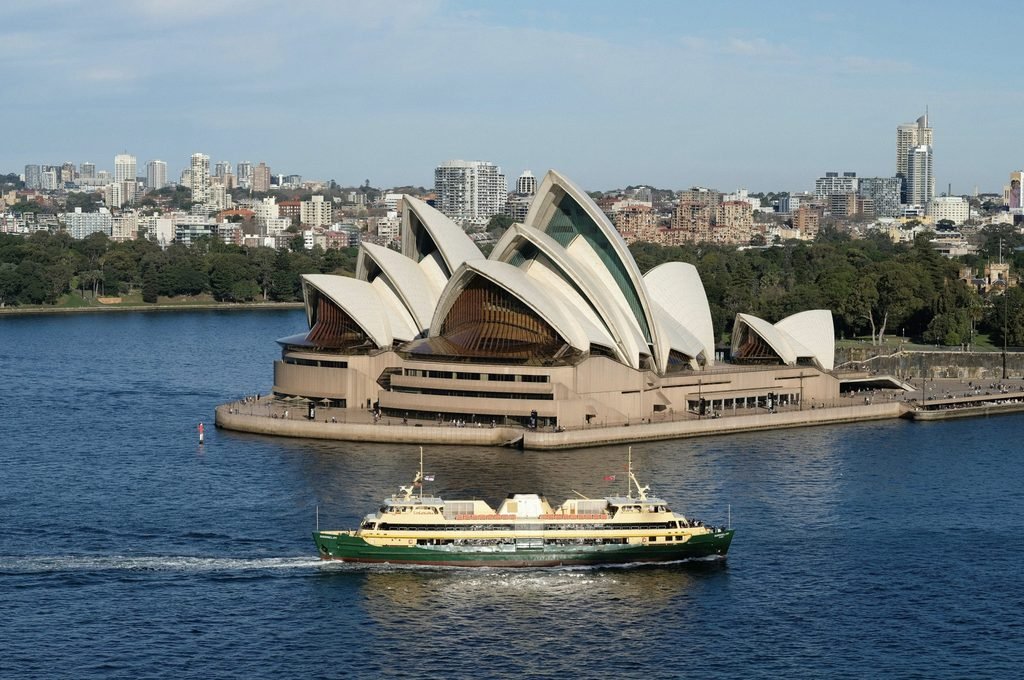
Ride the ferry to Manly and allow time for the beach and foreshore. Back in the city, choose one cultural stop such as the Art Gallery of New South Wales, the Museum of Contemporary Art or the Australian Museum. Finish with dinner near Barangaroo or Darling Harbour.
Getting Around
Sydney’s trains, Metro, buses, light rail and ferries use the Opal payment system. Most adult visitors can tap on and off with a contactless credit/debit card or device and receive the same standard fares and benefits as an adult Opal card. Use one payment method per person and remember to tap off. Airport stations are connected by train, but a station access fee is added to the fare. For route planning and service updates, use official Transport for NSW information.
Internet, SIM Cards and Useful Apps
Sydney has reliable 4G and 5G coverage. Telstra, Optus and Vodafone operate the main networks, with several lower cost providers using their infrastructure. Reception may weaken in national parks and regional areas.
SIM and eSIM Options
Buy prepaid SIMs at Sydney Airport, carrier shops, supermarkets or convenience stores. Four week plans often cost about AU$25 to AU$40. Compare data, coverage, validity and activation requirements, as prices and inclusions vary.
Unlocked compatible phones can use a local or travel eSIM arranged before arrival. Examples include Airalo, Ubigi and Holafly. Check the network, activation date, hotspot rules and whether the plan includes calls or only data. Free WiFi is common at hotels, cafés, libraries and attractions, but speed varies. Avoid sensitive transactions on open networks.
Useful Apps
- Opal Travel: The official Transport for NSW app for journey planning, live departures, disruption alerts and reviewing Opal or contactless travel activity.
- Citymapper: A streamlined alternative for comparing public transport, walking and cycling routes.
- Uber and DiDi: Sydney’s mainstream rideshare options. Compare the quoted fare and pickup point before booking; Ola no longer operates in Australia.
- Beachsafe: Check patrol status, facilities, hazards, weather, swell and tide information before visiting a beach. Always follow signs and swim between the red and yellow flags at a patrolled beach.
- OpenTable and Quandoo: Useful for finding and reserving restaurants, particularly for busy Friday and Saturday evenings.
- Google Maps: Helpful for walking directions, saved places and current business hours; download an offline area before a day trip.
- AustralianETA: The Australian Government app for eligible passport holders applying for an Electronic Travel Authority. Not every traveller is eligible, so confirm the correct visa pathway on the Department of Home Affairs website before applying.
Food
Sydney’s food reflects its multicultural communities. Try a neighbourhood café breakfast, fresh seafood, a classic meat pie and dishes from the city’s East Asian, South Asian, Middle Eastern and Mediterranean dining scenes. Chinatown, Haymarket, Cabramatta, Harris Park, Newtown and Surry Hills are strong starting points. Reserve popular restaurants for Friday and Saturday nights, and check the menu before sitting down if you are travelling on a strict budget.
Safety and Local Etiquette
- At surf beaches, swim only at a patrolled beach and between the red-and-yellow flags. Do not assume calm-looking water is safe.
- UV can be strong even on cloudy days. Use sun protection and carry water.
- Check weather, track conditions and park alerts before bushwalking; tell someone your route for remote walks.
- Call 000 for police, fire or ambulance emergencies.
- Stand to one side on escalators, let passengers leave before boarding and avoid blocking footpaths.
- Sydney is on the lands and waters of Aboriginal peoples, including the Gadigal people in the central city. Treat cultural places with respect and follow signage.
Official Planning Links
- Official Sydney tourism guide – attractions, neighbourhoods, events and itineraries.
- Transport for NSW contactless payments – current payment rules and fare benefits.
- Sydney Airport transport information – trains, buses and station access details.
- NSW beach safety advice – flags, rips and preparation.
- Royal National Park – activities, visitor information and alerts.