Brisbane is a relaxed introduction to Australia: a sunny river city with cultural precincts, outdoor dining, leafy neighbourhoods and easy access to islands and hinterland.
How Long to Stay in Brisbane
Brisbane deserves at least three days, while five days gives you time to explore its neighbourhoods at an enjoyable pace and add an island or hinterland day trip. With a week or more, you can experience more of South East Queensland without rushing.
- 2 days, a quick highlights visit: Explore South Bank, the Cultural Centre, the City Botanic Gardens and the riverfront, but skip regional trips.
- 3 days, the recommended minimum: Plan one day around the river and city centre, one in South Bank and West End, and one exploring New Farm, Fortitude Valley or Mount Coot tha.
- 5 days, the sweet spot: Add a day trip to Moreton Island, North Stradbroke Island or the Scenic Rim, with extra time for markets and riverside dining.
- 7 days, a relaxed stay: Explore more neighbourhoods and include two regional outings, such as the Sunshine Coast hinterland and Moreton Bay.
- 10 days or more, Brisbane and beyond: Add overnight stays on an island, the Gold Coast or Sunshine Coast, and spend more time in the hinterland.
Before You Go
- When to visit: Autumn, winter and spring are comfortable for outdoor sightseeing. Summer is hot, humid and storm prone, so plan breaks and carry water.
- Where to stay: Choose the CBD for convenience, South Bank for culture and parklands, Fortitude Valley for nightlife, New Farm for a neighbourhood feel, or West End for food and independent shops.
- Money and power: Australia uses Australian dollars and Type I power plugs. Cards are widely accepted, but a small amount of cash can be useful.
What to Pack for Brisbane
Brisbane has a warm subtropical climate, so pack breathable clothing, sunscreen, sunglasses, a sun hat, comfortable walking shoes, swimwear, insect repellent and a compact rain jacket. Carry a reusable water bottle throughout the year.
Seasonal Additions
- Summer (December to February): Pack light fabrics, sandals, swimwear and reliable rain protection. Expect heat, humidity and afternoon storms.
- Autumn (March to May): Choose light clothing with a thin layer for evenings. Swimwear remains useful early in the season.
- Winter (June to August): Bring light daytime clothing, a jumper and a packable jacket for cool mornings and evenings.
- Spring (September to November): Pack breathable layers, swimwear and sun protection as temperatures and humidity rise.
Useful Extras
- Power adapter: Australia uses Type I plugs and an electricity supply of 230 volts.
- Reusable water bottle: Tap water is safe to drink, and refilling is useful in Brisbane’s warm climate.
- Small daypack: Carry water, sun protection, insect repellent and a light rain layer.
- Travel documents: Keep secure digital and paper copies of your passport, visa or travel authorisation, insurance details and bookings.
Seven Places Worth Your Time
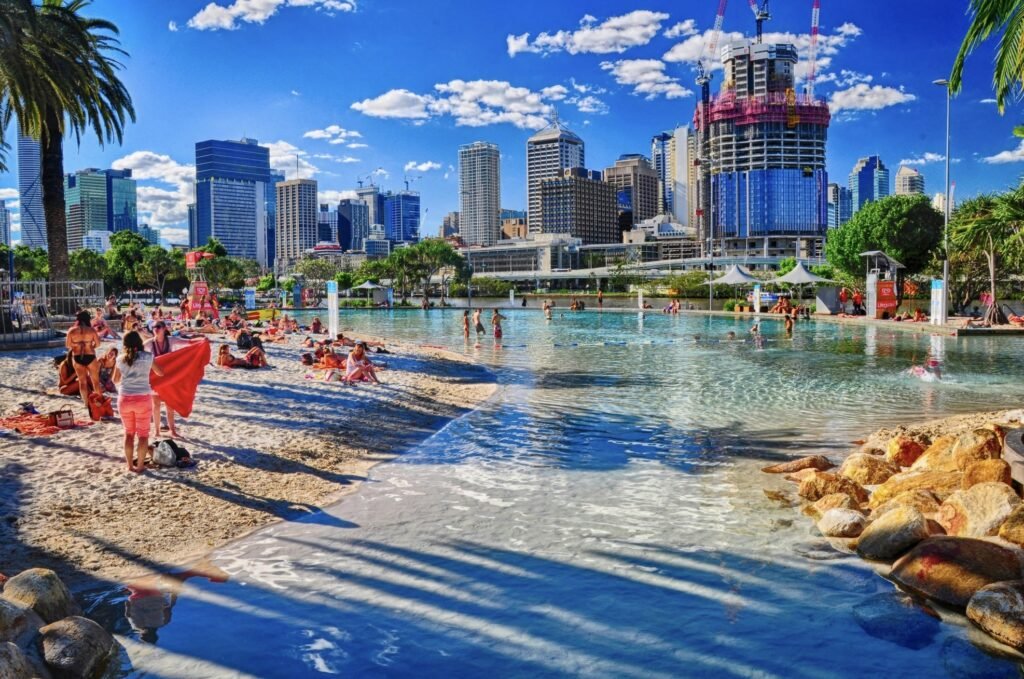
- South Bank and the Cultural Centre: Walk through riverside parklands, visit QAGOMA and the Queensland Museum, and cool off at Streets Beach.
- Brisbane River and CityCats: Ride a CityCat for an affordable sightseeing journey between riverside precincts.
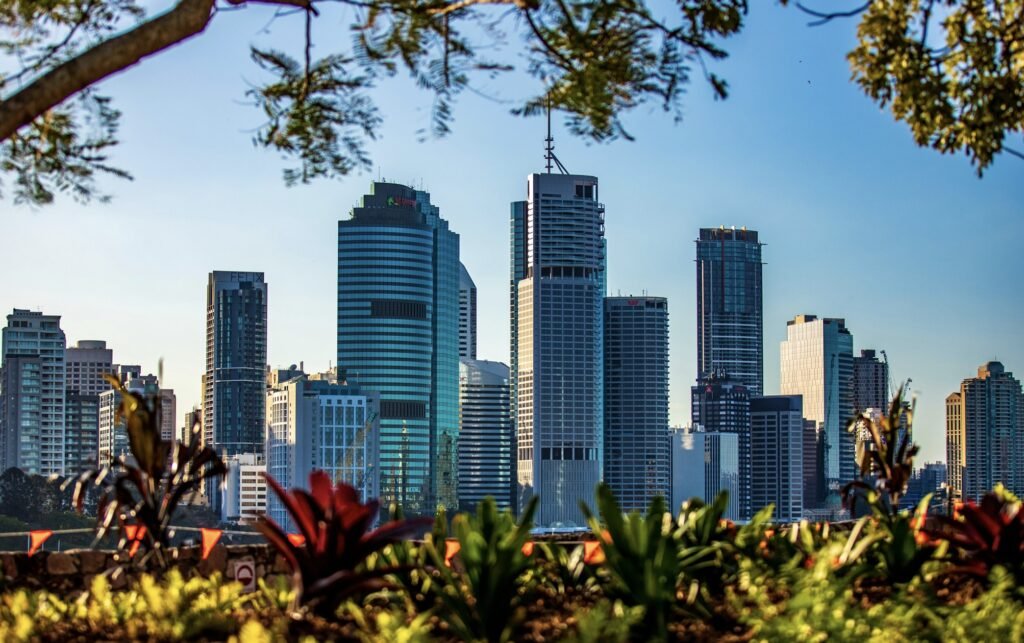
- City Botanic Gardens and Kangaroo Point: Follow the riverwalk, then enjoy skyline views from the Kangaroo Point Cliffs.
- Mount Coot tha: Visit the lookout and nearby botanic gardens for broad city views and walking trails.
- New Farm and Howard Smith Wharves: Combine New Farm Park, Brisbane Powerhouse and riverside dining beneath the Story Bridge.
- West End and Fortitude Valley: Explore multicultural food, live music, markets and independent shops.
- A regional day trip: Choose Moreton Island for beaches and marine experiences, North Stradbroke Island for coastal walks, or the Scenic Rim for mountains and country towns.
A Simple Three Day Itinerary
Day 1: The River, City and South Bank
Begin in the City Botanic Gardens, explore the CBD and cross the river to South Bank. Visit QAGOMA or the Queensland Museum, then follow the riverfront to Kangaroo Point for evening skyline views.
Day 2: Neighbourhoods and River Views
Ride a CityCat to New Farm, visit the park and Brisbane Powerhouse, then continue to Howard Smith Wharves. Spend the evening in Fortitude Valley or West End for food, live music and local character.
Day 3: Lookouts, Wildlife or the Bay
Visit Mount Coot tha and its botanic gardens, or spend the day at Lone Pine Koala Sanctuary. Travellers wanting a longer outing can choose a guided trip to Moreton Island or North Stradbroke Island.
Getting Around
Brisbane’s buses, trains, ferries and Metro services are coordinated by Translink. Visitors can use a go card or contactless payment on many services, but each traveller should use the same card or device to tap on and off. CityCats are both practical transport and an enjoyable way to see the river. Airtrain links the domestic and international terminals with the city in about 20 minutes and charges a separate airport fare.
Internet, SIM Cards and Useful Apps
Brisbane has reliable 4G and 5G coverage. Telstra, Optus and Vodafone operate the main networks, with lower cost providers using their infrastructure. Reception may weaken on islands, in national parks and across regional areas.
SIM and eSIM Options
Buy prepaid SIMs at Brisbane Airport, carrier shops, supermarkets or convenience stores. Four week plans often cost about AU$25 to AU$40. Compare data, coverage, validity and activation requirements.
Unlocked compatible phones can use a local or travel eSIM arranged before arrival. Examples include Airalo, Ubigi and Holafly. Check the network, activation date, hotspot rules and whether the plan includes calls or only data. Free WiFi is common at hotels, cafés, libraries and attractions, but speed varies. Avoid sensitive transactions on open networks.
Useful Apps
- Translink: Plan bus, train, ferry and Metro journeys and check service updates.
- Citymapper: Compare public transport and walking routes.
- Uber and DiDi: Compare rideshare fares and pickup points.
- Beachsafe: Check patrol status and conditions before coastal trips.
- OpenTable and Quandoo: Find and reserve restaurants.
- Google Maps: Check walking directions and business hours, and save offline areas before island or hinterland trips.
- AustralianETA: The Australian Government app for eligible passport holders applying for an Electronic Travel Authority.
Food
Brisbane’s food scene combines subtropical produce, multicultural dining and relaxed outdoor venues. Explore South Bank and Fish Lane, riverside restaurants at Howard Smith Wharves, cafés in New Farm, markets and global flavours in West End, and dining around Fortitude Valley and James Street. Reserve popular restaurants for Friday and Saturday nights.
Safety and Local Etiquette
- Heat, humidity and UV can be strong. Carry water, use sun protection and schedule breaks.
- Summer storms can develop quickly. Check forecasts and avoid exposed lookouts or waterways during severe weather.
- At beaches, swim at a patrolled location and follow signs and lifeguard instructions.
- Check fire danger, park alerts, ferry conditions and island access before regional trips.
- Call 000 for police, fire or ambulance emergencies.
- Brisbane, also known as Meanjin, is on the traditional lands of the Turrbal and Jagera peoples. Treat cultural places with respect and follow signage.
Official Planning Links
- Official Brisbane visitor guide: attractions, neighbourhoods, events and regional ideas.
- Brisbane City guide: South Bank, cultural attractions and neighbourhood highlights.
- Translink journey planner: bus, train, ferry and Metro routes.
- go card information: purchase, top up and travel guidance.
- Brisbane Airport transport: Airtrain fares, contactless payment and terminal services.
- CityCat and ferry guide: river routes, terminals and sightseeing stops.
- Brisbane climate information: official seasonal temperature and rainfall statistics.