Looking for a phone that does less—without becoming useless? Today’s minimalist-phone market ranges from strict call-and-text devices to full Android phones with screens and controls that make endless scrolling less appealing. This guide compares the most practical options currently shipping, available to order or commonly sold online as of August 2026. Prices are indicative in US dollars and availability varies by country, carrier and retailer.
1. Minimal Phone
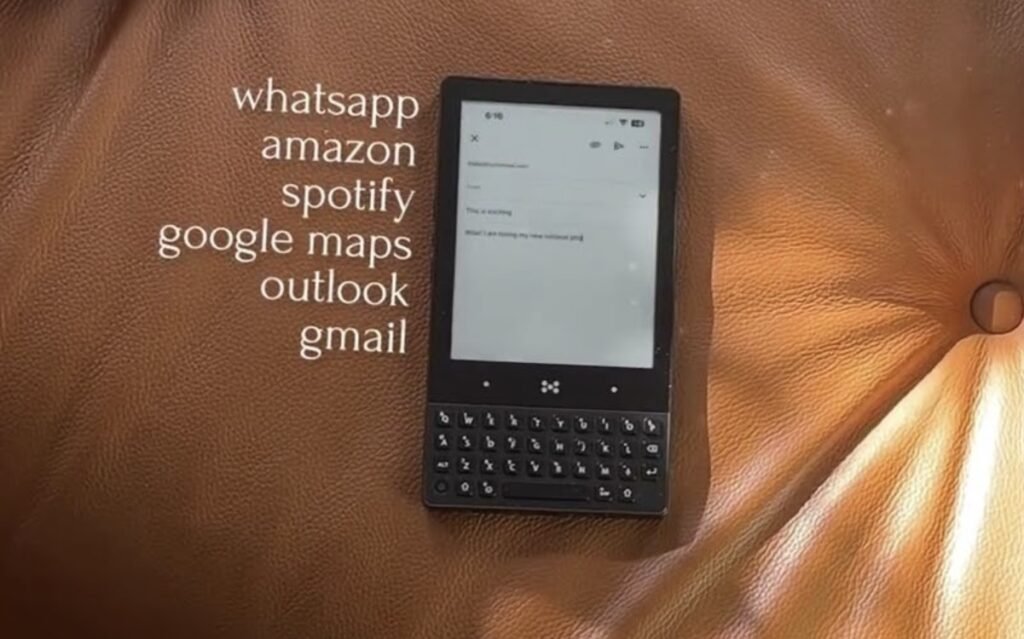
Best for keeping essential apps without encouraging scrolling. The Minimal Phone combines a compact 4.3-inch monochrome E Ink display with a physical QWERTY keyboard and Android 14. Because it supports Google Play, it can still run maps, messaging, banking and reading apps.
The slower, paper-like display makes video and social feeds less inviting, although buyers should expect E Ink ghosting, slower refresh rates and 4G rather than 5G.
- Type: E Ink Android phone with a QWERTY keyboard
- Google Play Store: Yes, direct access
- Core specs: 4.3-inch 600 × 800 E Ink display, MediaTek Helio G99, 6GB RAM, 128GB storage, 3,000mAh battery, 16MP rear and 5MP front cameras, NFC and Qi wireless charging.
- Best for: People who want apps but dislike scrolling
- Key trade-off: Slow E Ink refresh and 4G only
- Typical price: About US$399–US$499
More Details – https://minimalcompany.com
2. Light Phone Flip
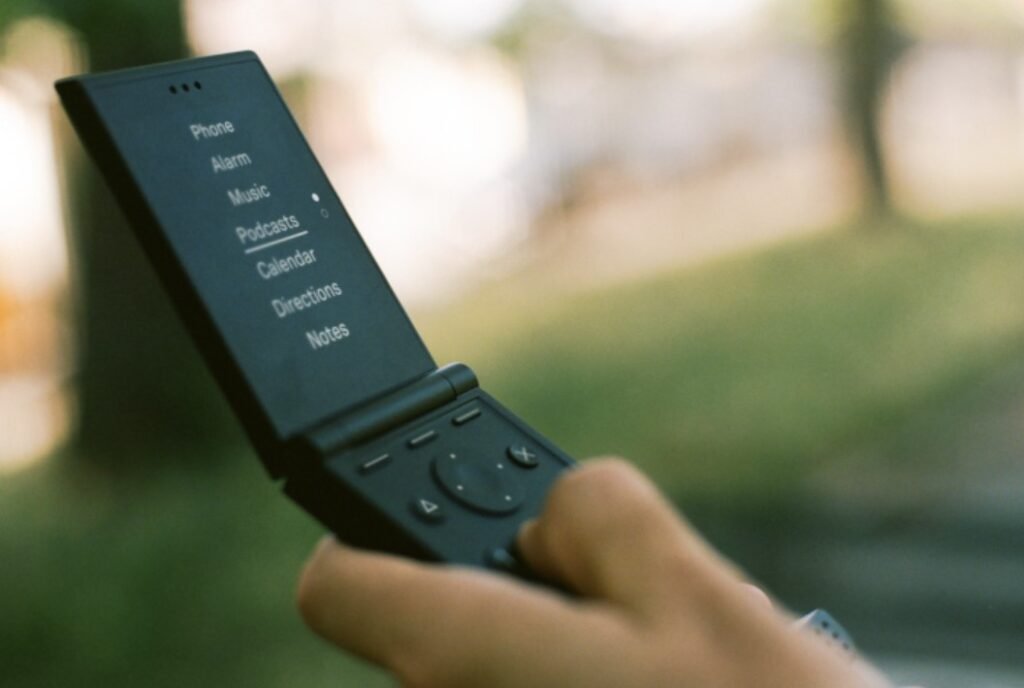
Best for a serious digital reset in a classic flip‑phone form factor. Light Phone Flip keeps the same philosophy as the Light Phone III — a deliberately limited set of essential tools — but places them in a compact, tactile flip design. It supports calls, texts, simple directions, notes, alarms, and a basic music/podcast player. There is no browser, no social media, no email, and no app store, making it one of the most intentionally minimalist phones available.
Its e‑ink‑style matte display and physical keypad make it feel even more distraction‑free than the Light Phone III, though the stripped‑back software means it will not suit anyone who depends on WhatsApp, banking apps, or workplace tools.
- Type: Premium minimalist flip phone
- Google Play Store: No
- Core specs: 2.7‑inch matte display (main), small external notification screen, Light OS, physical T9 keypad, 4G LTE, Bluetooth, USB‑C charging, long‑life removable battery.
- Best for: Deep digital detox with a nostalgic flip‑phone experience
- Key trade‑off: No browser, no app store, and limited smart features
- Typical price: About US$399–US$499
More Details – https://www.thelightphone.com/lightflip
3. Mudita Kompakt
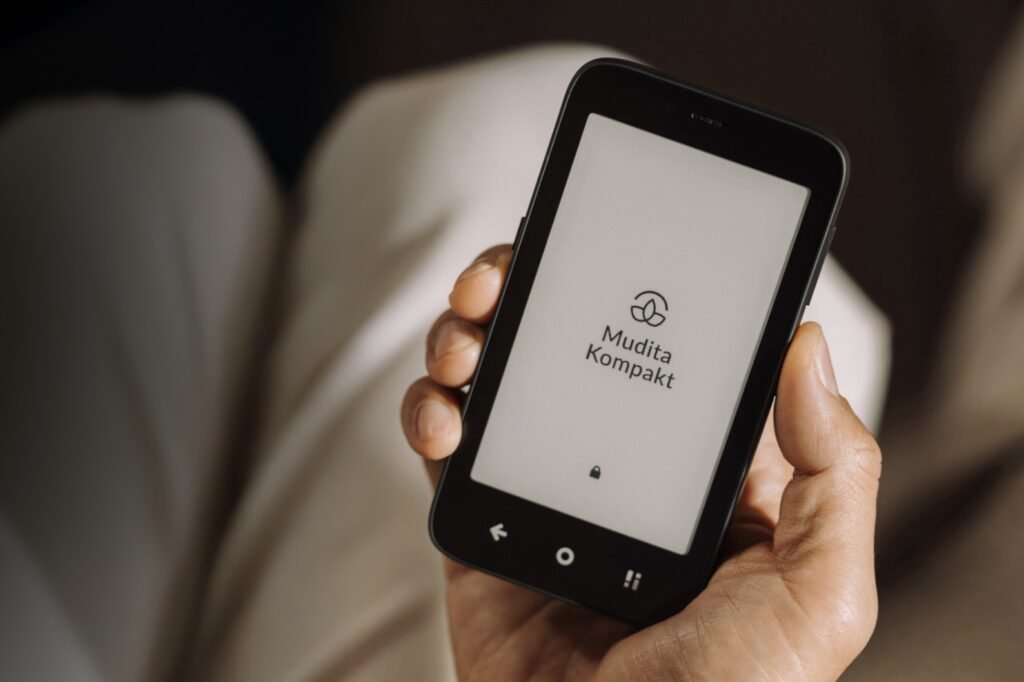
Best for privacy-focused E Ink minimalism. Mudita Kompakt uses a 4.3-inch E Ink screen, a custom de-Googled operating system and a hardware privacy switch. It covers calls, texts, offline maps, music and lightweight utilities while avoiding the usual Google ecosystem.
Some Android packages can be sideloaded, but apps that depend on Google Play Services may not work reliably, so it is better viewed as a calm phone with a few extras than a conventional smartphone.
- Type: E Ink minimalist phone
- Google Play Store: No; sideloading only, without Google Services
- Core specs: 4.3-inch 800 × 480 E Ink display, MediaTek Helio A22, 3GB RAM, 32GB storage with microSD expansion, 3,300mAh battery, 8MP camera, 4G LTE, NFC and IP54 resistance.
- Best for: Calm, privacy-focused daily use
- Key trade-off: Limited app ecosystem
- Typical price: About US$399–US$439
More Info – Mudita Kompakt, a minimalist E Ink® phone. | Mudita
4. Punkt MP02 4G
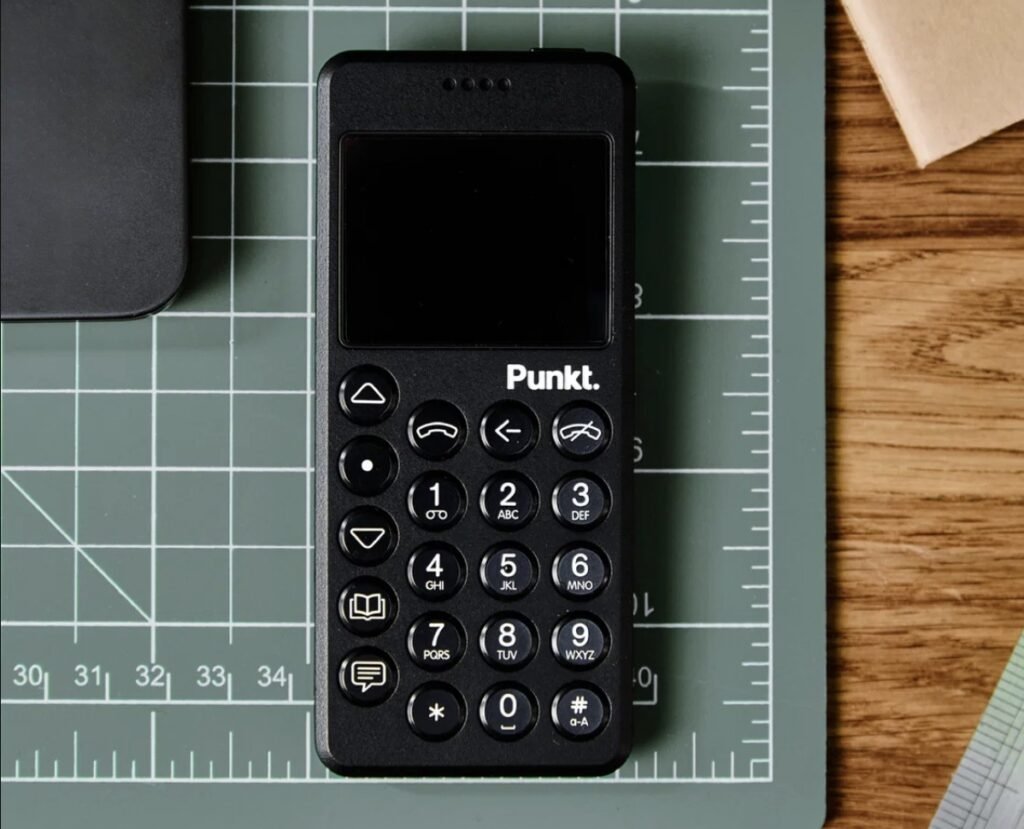
Best for calls, texts and hotspot use. Punkt MP02 treats the phone as a communication tool rather than an entertainment device. Its physical keypad, compact design, 4G calling and tethering support make it a strong option for users who want reliable basics and secure messaging without an app ecosystem.
There is no camera and little room for modern app-based tasks, which is either the appeal or the deal-breaker.
- Type: 4G keypad phone
- Google Play Store: No
- Core specs: 2-inch 320 × 240 monochrome TFT display, Snapdragon 210, 2GB RAM, 16GB storage, 1,280mAh battery, USB-C, 4G LTE and IP52 splash resistance.
- Best for: Calls, texts, hotspot use, and security
- Key trade-off: No camera and limited smart features
- Typical price: About US$379
More Details: Punkt. MP02 4G Minimalist Phone
5. Wisephone II
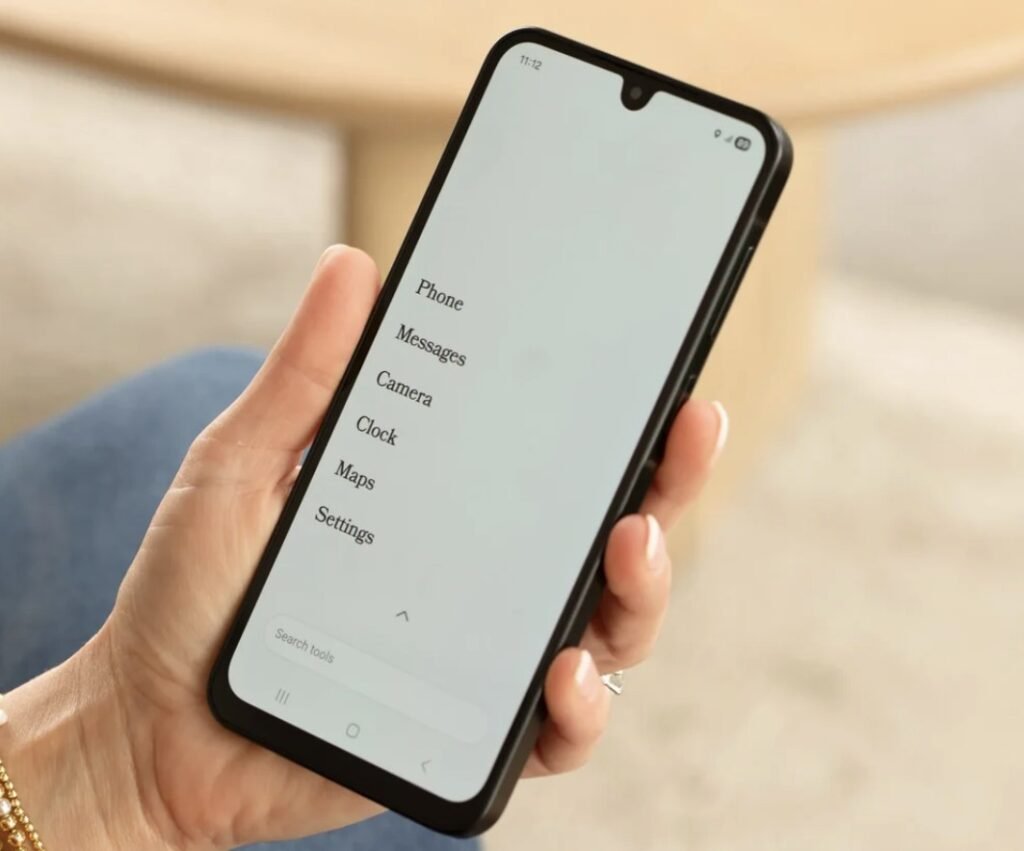
Best for a familiar smartphone shape with stronger guardrails. Wisephone II looks like a conventional touchscreen phone but runs restricted software that blocks open-ended app stores, social feeds and other high-distraction features.
It is easier to text on than many dumbphones and may suit families, students or professionals who want a normal-sized screen. The trade-off is dependence on the Wisephone ecosystem and possible ongoing service costs.
- Type: Locked-down smartphone
- Google Play Store: No open Play Store
- Core specs: Depending on the current hardware version, a 6.5- or 6.7-inch Full HD+ AMOLED display, 4GB RAM, 128GB expandable storage, 5,000mAh battery, 50MP main camera, 5G, NFC and USB-C.
- Best for: Families or users wanting a familiar slab phone
- Key trade-off: Subscription-style ecosystem
- Typical price: About US$399 plus service costs
Read More: Order the world’s smartest dumb phone – Wisephone by Techless
6. Sunbeam F1 Series
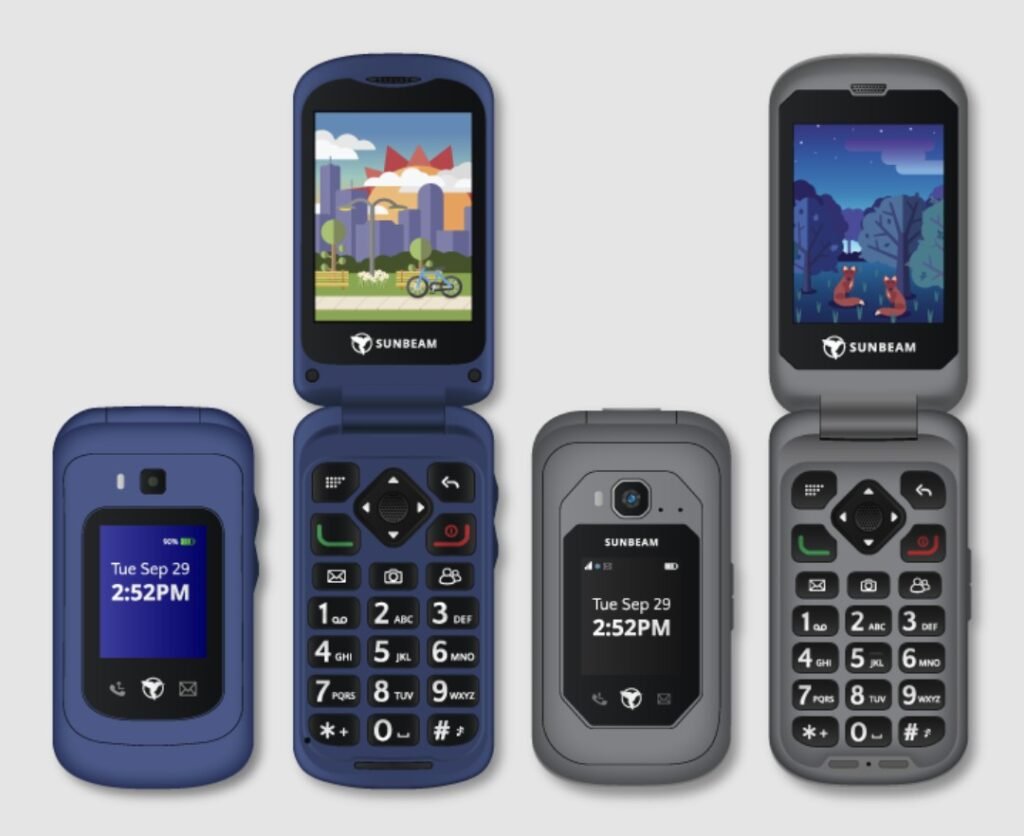
Best configurable flip-phone option. The Sunbeam F1 range lets buyers choose how many practical features they want, with some models offering navigation, weather, notes and voice-to-text alongside calling and messaging.
It is a sensible middle ground for people who want physical buttons and dependable basics without fully returning to a smartphone. It does not offer E Ink, a QWERTY keyboard or a broad app catalogue.
- Type: Configurable flip phone
- Google Play Store: No
- Core specs: 2.8-inch 480 × 640 internal display, quad-core MediaTek MT6739 processor, 2GB RAM, 16GB storage with microSD support, removable 2,200mAh battery, 5MP camera on supported models and USB-C.
- Best for: Users who want a practical, low-distraction flip phone
- Key trade-off: Not a full smartphone replacement
- Typical price: About US$249–US$359
More Info – https://sunbeamwireless.com/
7. HMD Touch 4G
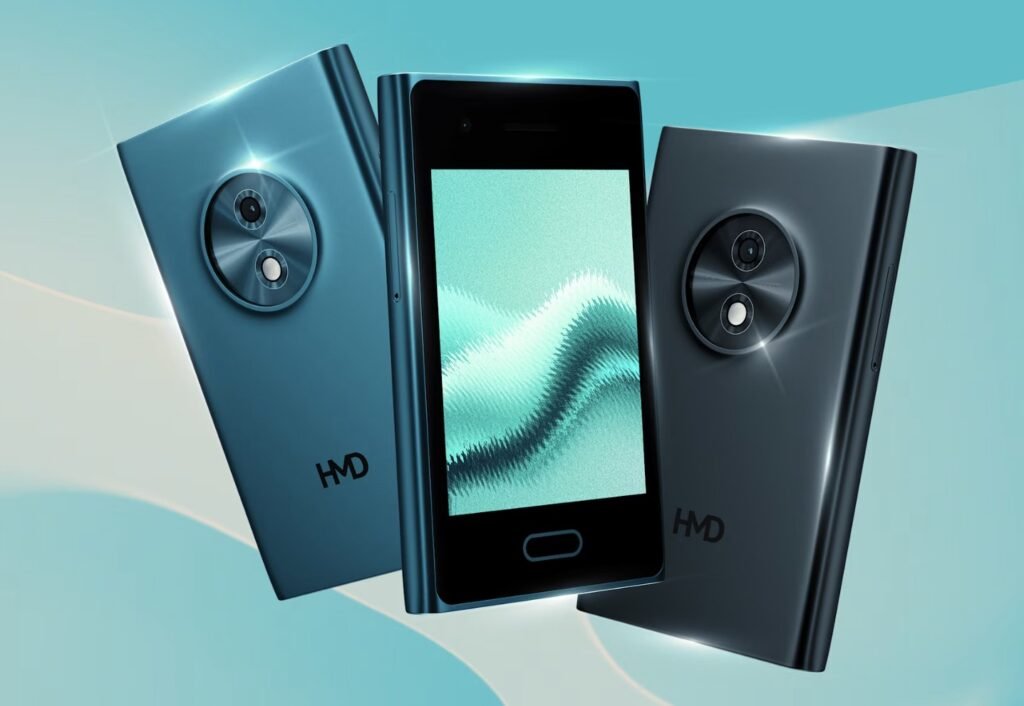
Best for staying connected with minimal fuss. The HMD Touch 4G is a modern feature phone that blends essential smartphone connectivity with a simplified interface. It supports calls, texts, and light online tools such as maps and basic web access, making it suitable for users who want practicality without the distractions of a full app ecosystem.
Its touch interface and compact design make it more intuitive than keypad‑based flip phones, while still keeping the experience focused and low‑stress. However, it’s not ideal for heavy app users or those needing advanced productivity tools.
Type: Compact 4G feature phone
- Google Play Store: No
- Core specs: 3.5‑inch touchscreen display, Unisoc T107 processor, 1GB RAM, 8GB storage (expandable via microSD), 2,000mAh removable battery, 2MP rear camera, 4G LTE, Wi‑Fi, Bluetooth, USB‑C.
- Best for: Simple communication and light connectivity without smartphone distractions
- Key trade‑off: Limited app support and basic performance
- Typical price: About US$79–US$99
8. Nokia 3210 4G
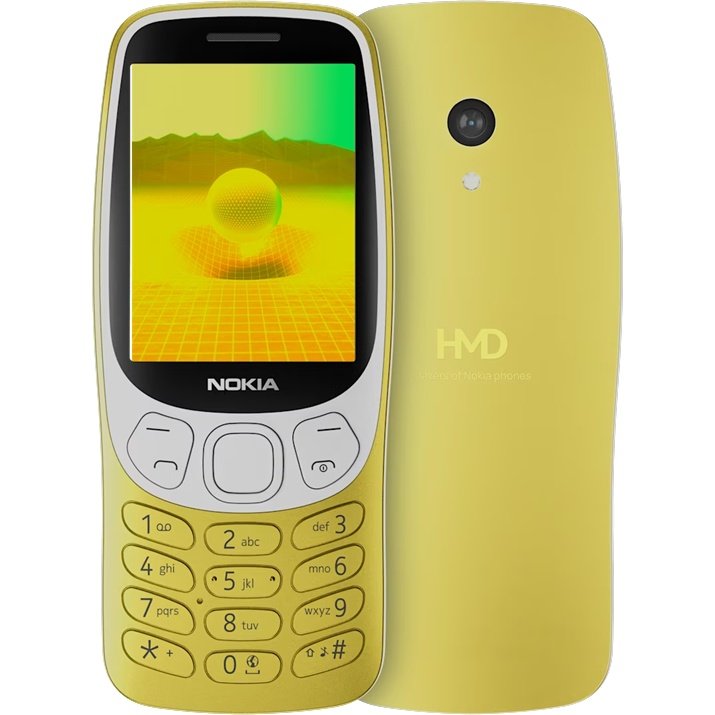
Best for simple calls and texts with retro styling. Nokia 3210 4G focuses on voice, SMS, basic utilities and long battery life. It is inexpensive, familiar and intentionally limited, making it suitable for users who do not need modern apps.
The small screen and basic interface, however, mean it is not a realistic full-time smartphone replacement for everyone.
- Type: Retro feature phone
- Google Play Store: No
- Core specs: 2.4-inch 240 × 320 display, Unisoc T107 processor, 64MB RAM, 128MB storage with microSD support, removable 1,450mAh battery, 2MP camera, Bluetooth 5.0 and USB-C.
- Best for: Simple voice and text use with nostalgic design
- Key trade-off: Small screen and limited productivity tools
- Typical price: About US$95
Read More: https://www.hmd.com/en_au/nokia-3210
9. Unihertz Jelly Star
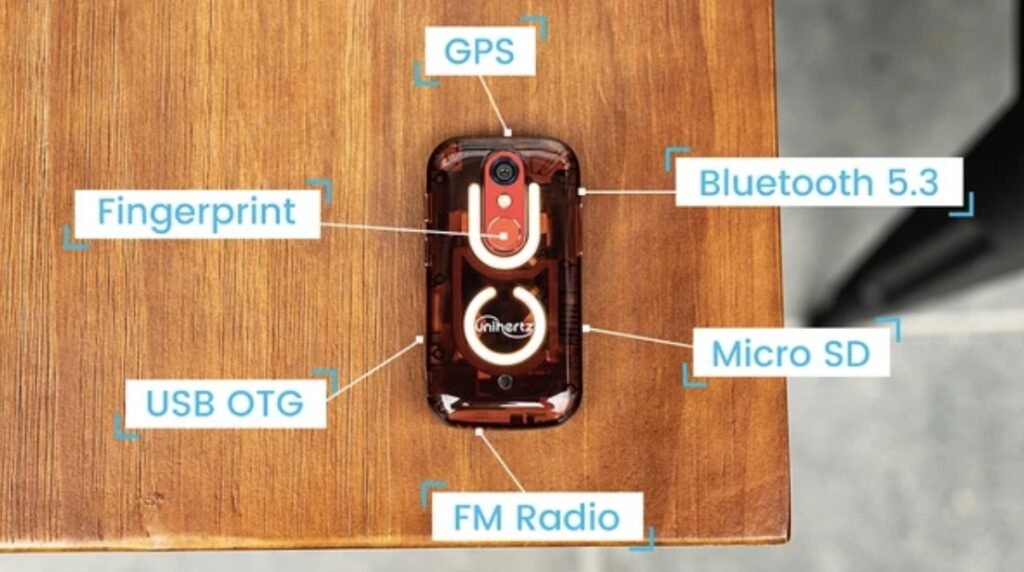
Best for full Android in a deliberately tiny package. Unihertz Jelly Star is a compact 3-inch Android phone rather than a true dumbphone. It runs regular apps including maps, banking, rideshare, music and messaging, but its tiny display makes long browsing sessions, video and gaming less comfortable. Because it still offers unrestricted Google Play access, it works best for users willing to add their own app limits.
- Type: Tiny Android phone
- Google Play Store: Yes
- Core specs: 3-inch 480 × 854 IPS display, MediaTek Helio G99, 8GB RAM, 256GB expandable storage, 2,000mAh battery, 48MP rear and 8MP front cameras, NFC and Android 13.
- Best for: Keeping full Android in a less addictive form
- Key trade-off: Still provides full app access
- Typical price: About US$200–US$230
Read More – Unihertz Jelly Star – Smallest 3.0 Inch Android 13 Smartphone
10. Bigme HiBreak Series
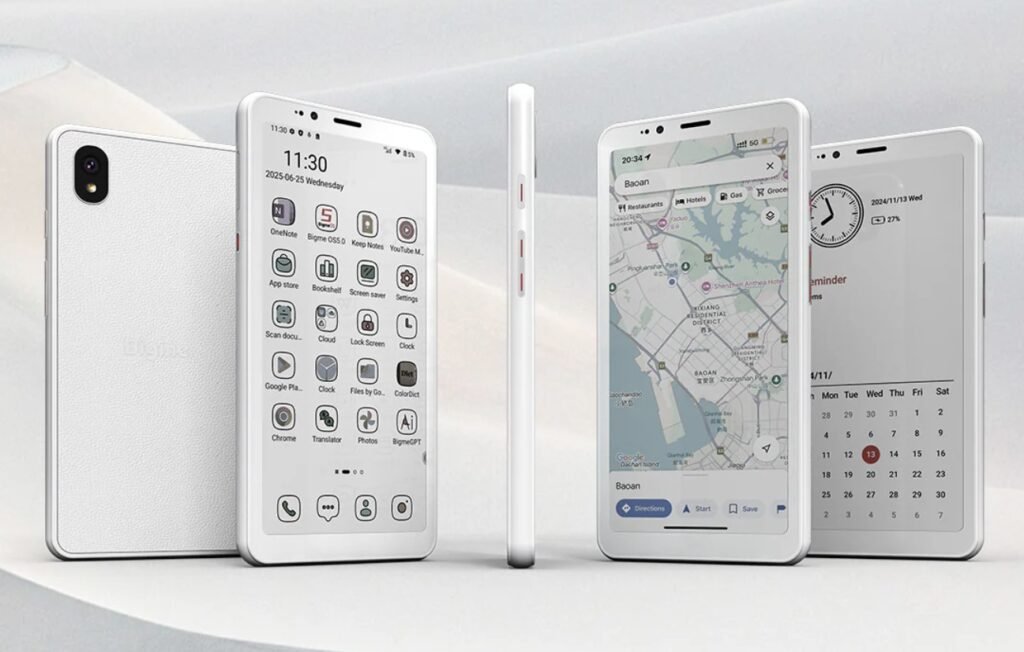
Best for an E Ink screen without giving up smartphone capability. Bigme HiBreak devices run Android on monochrome or colour E Ink displays, with models offering cellular calling, cameras, NFC, dual SIM and Google Play access.
They suit readers and outdoor users who want lower visual stimulation while retaining modern apps. The compromise is that these are still full smartphones, so the display creates friction but does not remove digital temptation.
- Type: E Ink Android smartphone
- Google Play Store: Yes, direct access on many models
- Core specs: Specifications vary by model: the original HiBreak has a 5.84-inch 720 × 1,440 E Ink display, 6GB RAM, 128GB storage and 3,300mAh battery; HiBreak Pro moves to a 6.13-inch 300ppi panel, 8GB/256GB, 4,500mAh and 5G.
- Best for: An e-reader-style phone with more smart capability
- Key trade-off: Less minimalist and more complex
- Typical price: About US$300–US$574+
11. Boox Palma / Palma 2
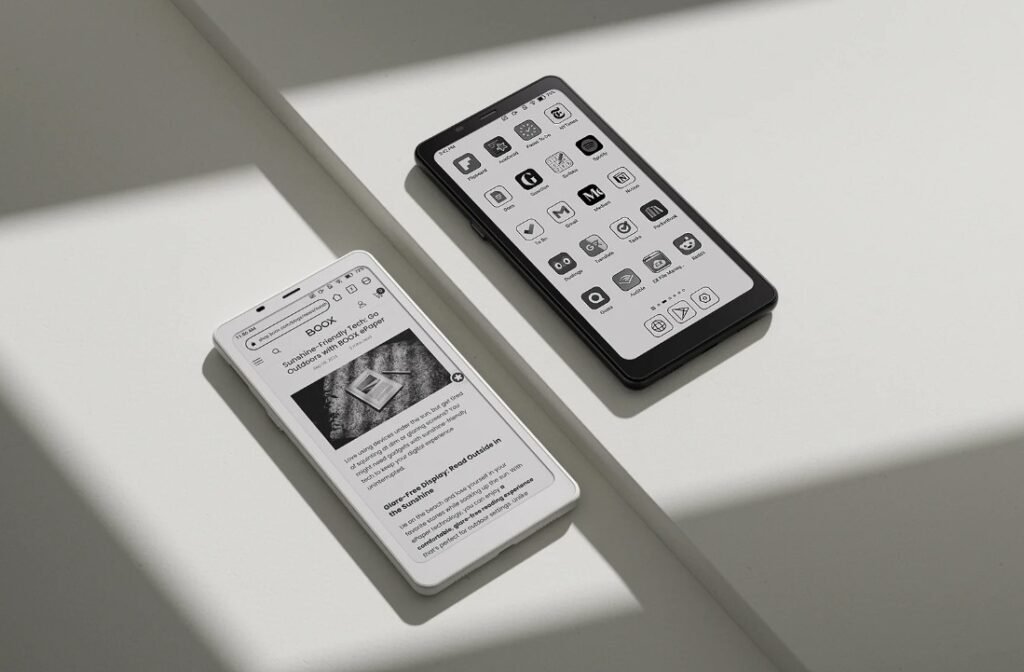
Best as a reading-first companion device. Boox Palma models place Android and Google Play in a phone-sized E Ink body, making them excellent for ebooks, articles, audiobooks and lightweight web tools.
The standard Palma and Palma 2 are not cellular phones, while newer variants may support mobile data without regular voice calling. Buy one as a pocket reader or companion unless the exact model clearly supports the phone functions you need.
- Type: Pocket E Ink Android device
- Google Play Store: Yes, direct access
- Core specs: Palma 2 has a 6.13-inch 824 × 1,648 Carta 1200 E Ink display at 300ppi, octa-core processor, 6GB RAM, 128GB expandable storage, 3,950mAh battery, 16MP rear camera and Android 13.
- Best for: A reading-first minimal carry device
- Key trade-off: Not always a traditional cellular phone
- Typical price: About US$280–US$300+
More Info – BOOX Palma 2 | A Potent 6.13” Mobile ePaper for Mindful Living – The Official BOOX Store
Which low distraction phone should you choose?
- Closest to Minimal Phone: Minimal Phone itself, Mudita Kompakt, and Bigme HiBreak models.
- Best for strict digital detox: Light Phone III or Punkt MP02.
- Best for keeping essential apps: Minimal Phone, Unihertz Jelly Star, Bigme HiBreak, or Wisephone II.
- Best budget options: Nokia 2780 Flip, Nokia 3210 4G, or TCL Flip 2.
- Best for typing: Minimal Phone because of its physical QWERTY keyboard.
- Best for privacy-minded users: Mudita Kompakt or Punkt MP02.
- Best for families or younger users: Wisephone II or a restricted flip-phone setup.
Which options support Google Play?
- Direct Google Play access: Minimal Phone, Unihertz Jelly Star, Bigme HiBreak series, and Boox Palma / Palma 2.
- No Google Play Store: Light Phone III, Punkt MP02, Wisephone II, Sunbeam F1 series, Nokia 2780 Flip, Nokia 3210 4G, and TCL Flip 2.
- Sideloading only: Mudita Kompakt can sideload some APK files, but it does not include Google Play Store or Google Services, so some apps may not work correctly.
What to check before you buy
- Check carrier compatibility first. Many niche phones are designed for US or European networks, so confirm supported 4G and 5G bands, VoLTE and local carrier approval before ordering.
- List your must-have apps. If you need WhatsApp, banking, transport, authentication or workplace apps, confirm that the phone supports them—not just Android apps in general.
- Expect E Ink to feel slower. Paper-like screens are excellent for reading and focus but less suitable for video, fast map movement, photography and animation-heavy websites.
- Verify stock and shipping dates. Niche and crowdfunded devices can have limited batches, regional versions and changing delivery estimates.
- Do not assume simpler means cheaper. Purpose-built minimalist hardware often costs more than an entry-level Android phone because it is produced in smaller volumes.