If you are shopping for a premium foldable phone, the Google Pixel 11 Pro Fold and Samsung Galaxy Z Fold8 Ultra are two of the most important options to compare. Both open into an 8-inch tablet-style display, both run Android 17, and both promise long software support. But they are not aimed at exactly the same buyer.
The Pixel is the friendlier choice for people who want Google’s camera processing, Gemini-powered intelligence, and a clean Android experience. The Samsung is the stronger pick for people who want the fastest hardware, the sharpest spec sheet, heavier multitasking, and a more mature foldable ecosystem.
Choose the Google Pixel 11 Pro Fold if you want a foldable that feels more like a smart everyday assistant: excellent point-and-shoot photography, helpful AI features, strong durability claims, a lighter Google software experience, and a slightly lower starting price.
Choose the Samsung Galaxy Z Fold8 Ultra if you want maximum hardware: a lighter and thinner body, a bigger battery, faster wired charging, a 200MP main camera, stronger performance silicon, more advanced multitasking tools, and Samsung’s polished foldable software experience.
Specifications Comparison
| Specification | Google Pixel 11 Pro Fold | Samsung Galaxy Z Fold8 Ultra |
| Main display | 8.0-inch OLED, 120Hz, 2152 x 2076 | 8.0-inch Dynamic AMOLED 2X, 120Hz, 2504 x 2256 |
| Cover display | 6.5-inch OLED, 120Hz, 2342 x 1080 | 6.5-inch Dynamic AMOLED 2X, 120Hz, 2520 x 1080 |
| Processor | Google Tensor G6 | Snapdragon 8 Elite Gen 5 for Galaxy |
| RAM and storage | 16GB RAM; 256GB, 512GB, or 1TB storage | 12GB or 16GB RAM; 256GB, 512GB, or 1TB storage |
| Rear cameras | 48MP main, 10.5MP ultrawide, 10.8MP telephoto with 5x optical zoom | 200MP main, 50MP ultrawide, 10MP telephoto with 3x optical zoom |
| Selfie cameras | 10MP cover and inner cameras | 10MP cover and 10MP main selfie cameras |
| Battery | 4,750mAh | 5,000mAh |
| Charging | 30W wired, 25W wireless | 45W wired, 20W wireless, Wireless PowerShare |
| Weight | 239g | 215g |
| Thickness unfolded | About 5.0mm | About 4.1mm |
| Durability rating | IP68 water and dust resistance | IP48 dust and water resistance |
| Software | Android 17 with Pixel AI and Gemini features; 7 years of updates | Android 17 with One UI 9, Galaxy AI, Samsung DeX; up to 7 major OS updates |
| Starting price | Reported from US$1,899 | Reported from US$2,099 |
| Colours available | Obsidian and Olive | Cream, Graphite, Violet Shadow, and Green Shadow (Samsung.com exclusive; availability varies by market) |
Design and Everyday Feel
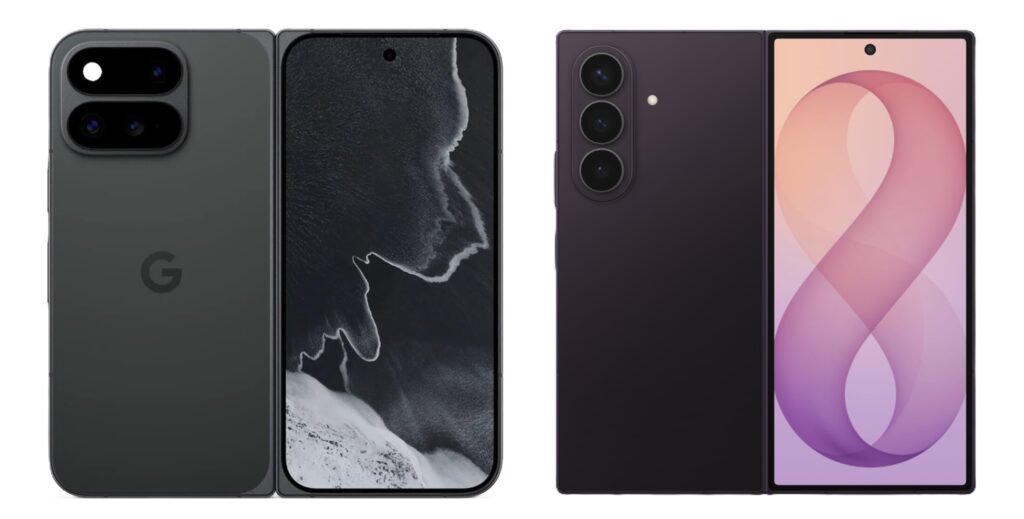
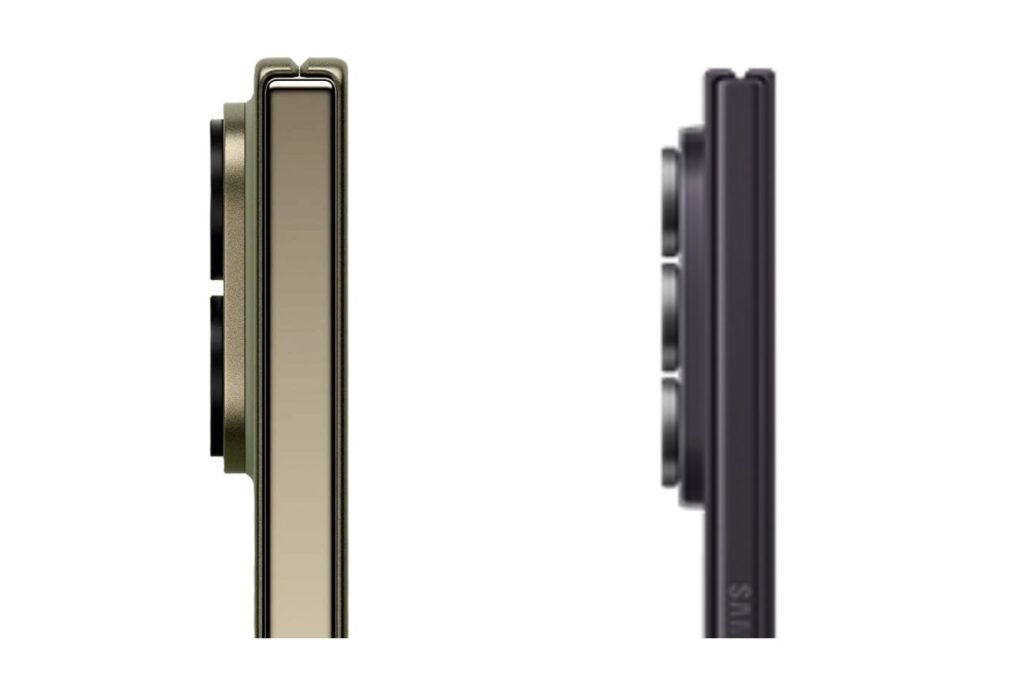
The Samsung Galaxy Z Fold8 Ultra has the immediate hardware advantage if you care about thinness and weight. At 215g and 4.1mm unfolded, it is noticeably lighter and slimmer than the Pixel 11 Pro Fold, which is listed at 239g and about 5.0mm unfolded. That matters because foldables are already large devices. If you plan to hold the phone open for reading, gaming, note-taking, or split-screen work, Samsung’s lighter build gives it a real comfort edge.
The Pixel 11 Pro Fold counters with a more Google-style appeal: a simpler design, a new HiLight notification system around the camera area, and a focus on durability. Google says the new model is thinner, lighter, and substantially more durable than the previous Pixel foldable. If you prefer understated hardware with clever notification touches and Google’s clean software feel, the Pixel will likely feel more approachable.
Display and Multitasking
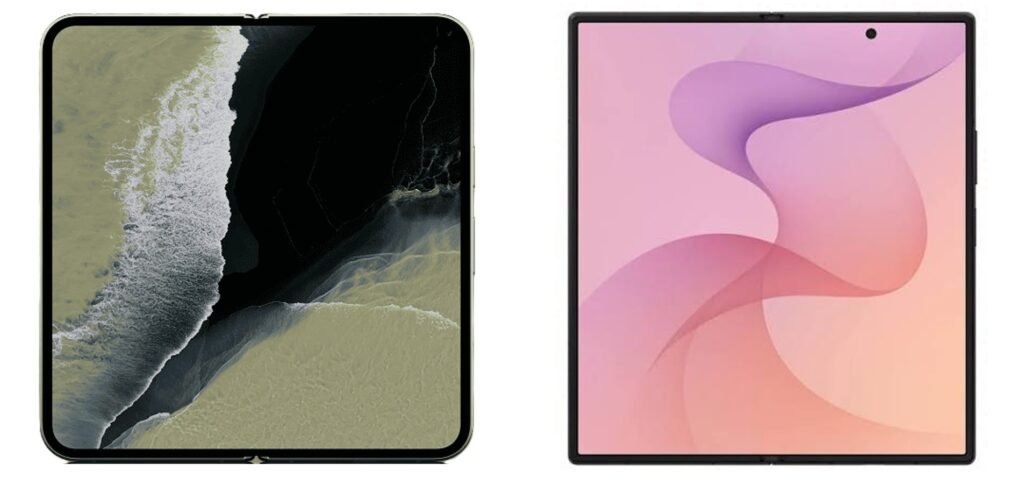
Both phones give you the foldable headline feature: a large 8-inch inner screen backed by a useful 6.5-inch cover screen. Samsung’s inner display has the higher resolution and a very bright 3000-nit peak brightness rating, while Google also advertises a bright 120Hz OLED panel. For streaming, reading, and browsing, both should feel premium. For serious multitasking, Samsung has the advantage because One UI and Samsung DeX are built around running multiple apps, floating windows, and desktop-style workflows.
The Pixel’s strength is less about raw workspace control and more about smart assistance. If you want the phone to simplify tasks, translate, summarize, and help with AI-driven interactions, Google’s Pixel software may feel more natural. If you want the foldable to replace a small tablet or become a serious productivity canvas, Samsung is the safer pick.
Performance and Battery
Samsung uses the Snapdragon 8 Elite Gen 5 for Galaxy, which is the stronger choice for buyers who care about gaming, heavy multitasking, video editing, and long-term speed. Google’s Tensor G6 is built more around Pixel-specific AI and camera processing than benchmark leadership. In plain terms: Samsung is the performance phone; Google is the smarter-feeling everyday phone.
Battery also leans Samsung on paper. The Galaxy Z Fold8 Ultra has a 5,000mAh battery and 45W wired charging, compared with the Pixel’s 4,750mAh battery and 30W wired charging. Google does offer faster listed wireless charging at 25W versus Samsung’s 20W, but most people will notice Samsung’s larger battery and faster wired top-ups more often.
Cameras
This is the closest category because the numbers do not tell the whole story. Samsung has the more dramatic camera hardware: a 200MP main camera, 50MP ultrawide, 3x telephoto, and 8K video recording. That makes it appealing for detail-heavy shots, high-resolution cropping, and users who want advanced video options.
The Pixel 11 Pro Fold has a 48MP main camera, ultrawide, and a 5x optical telephoto camera. Google’s advantage is computational photography: reliable colour, HDR, low-light processing, and easy point-and-shoot results. If you mostly want to pull the phone out, take one photo, and trust it, Pixel is very tempting. If you want maximum camera hardware and stronger video flexibility, Samsung has the more ambitious setup.
Software, AI, and Ecosystem
The Pixel 11 Pro Fold is best for people who want Google’s version of Android first. Expect deep Gemini integration, Pixel-exclusive AI tools, fast access to Google features, and a simpler interface. It is likely to suit users who already rely heavily on Google Photos, Gmail, Google Assistant or Gemini, Google Calendar, and other Google services.
The Galaxy Z Fold8 Ultra is the better fit for Samsung ecosystem users. One UI is loaded with foldable-specific features, Galaxy AI tools, Samsung DeX, cross-device continuity, S Pen-style productivity workflows where supported, and stronger window management. If your foldable is meant to be a work device, Samsung’s software feels more mature and flexible.
Which One Should You Choose?
- Pick the Pixel 11 Pro Fold if you want the easier recommendation for everyday use, Google’s best AI features, excellent automatic photography, IP68 protection, and a lower starting price.
- Pick the Galaxy Z Fold8 Ultra if you want the more powerful foldable, the lighter and thinner body, bigger battery, faster wired charging, stronger multitasking, Samsung DeX, and the most impressive camera hardware.
- Pick Pixel if you feel overwhelmed by foldables. It is likely to feel simpler, cleaner, and more assistant-like.
- Pick Samsung if you already know why you want a foldable. It gives you more tools to exploit the large screen and more performance headroom.
For most buyers, the safest simple answer is this: buy the Google Pixel 11 Pro Fold if you want a premium foldable that behaves like a very smart phone first, and buy the Samsung Galaxy Z Fold8 Ultra if you want a foldable that behaves like a pocket computer.
The Pixel is friendlier and more Google-centric. The Samsung is more expensive, more powerful, and better suited to people who will actually use the big screen for multitasking every day.