Close Menu
    Facebook X (Twitter) Instagram
    • About Us
    • Privacy Policy
    • Contact Us
    • Data Disclaimer
    Facebook X (Twitter) Instagram
    F A B T A S T I C
    Subscribe
    • Phones
    • Tabs
    • Wearables
    • Smart Homes
    • Laptops
    F A B T A S T I C
    Home»News»Google Pixel 11 Series: Expected Specs, Pricing and Features
    News

    Google Pixel 11 Series: Expected Specs, Pricing and Features

    By AdminJuly 15, 2026Updated:July 15, 2026No Comments12 Mins Read
    Facebook Twitter Pinterest LinkedIn Tumblr Email
    Share
    Facebook Twitter LinkedIn Pinterest Email

    The Google Pixel 11 series has not been fully launched or formally detailed by Google at the time of writing, so most hardware, storage, colour and pricing details should be treated as expected rather than confirmed. The strongest reports point to a Made by Google event on 12 August 2026, with the Pixel 11, Pixel 11 Pro, Pixel 11 Pro XL and Pixel 11 Pro Fold expected to lead the announcement. For buyers, that means the safest approach is to use the current information as a planning guide, not as a final buying sheet.

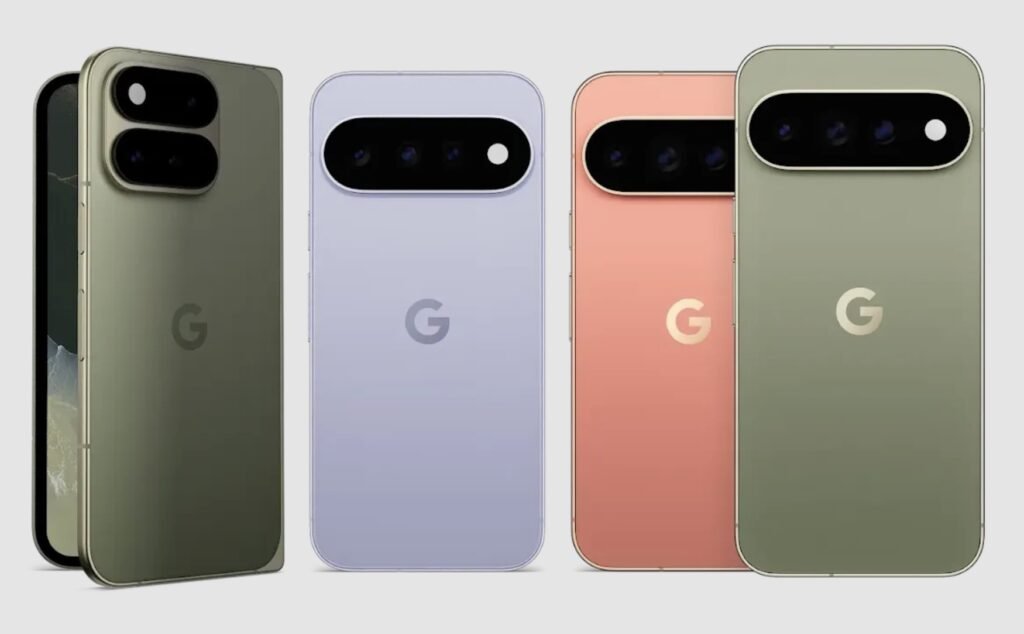
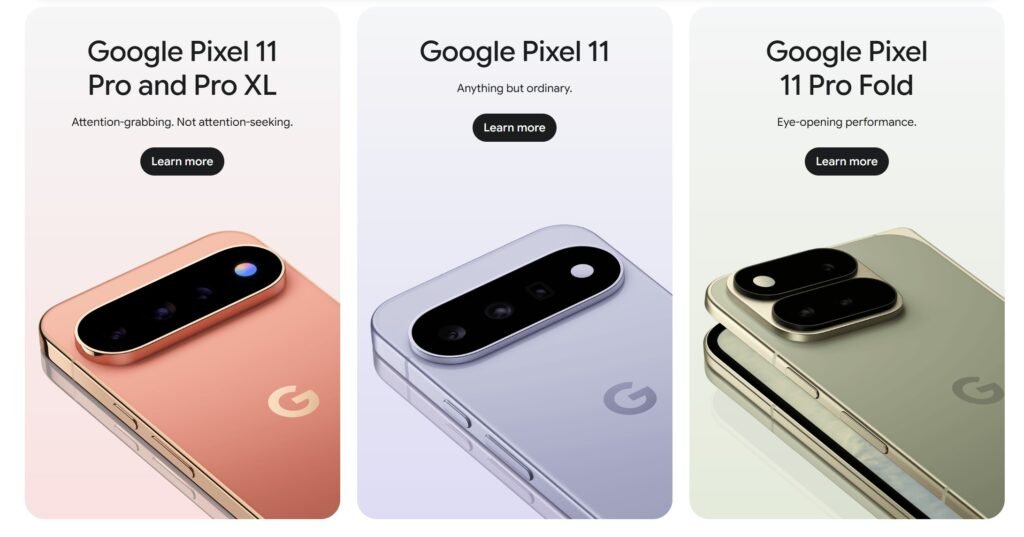
    The Pixel 11 family is shaping up as a refinement generation rather than a complete redesign. The headline changes are expected to be a new Tensor G6 chip, a move to a more efficient 2 nm manufacturing process, a new modem, upgraded cameras, deeper Gemini-powered AI features, higher base storage, and potentially higher prices. The design language is expected to remain recognisably Pixel, with the familiar horizontal camera bar, rounded corners and flat-screen flagship layout across the non-folding models.

    Expected lineup

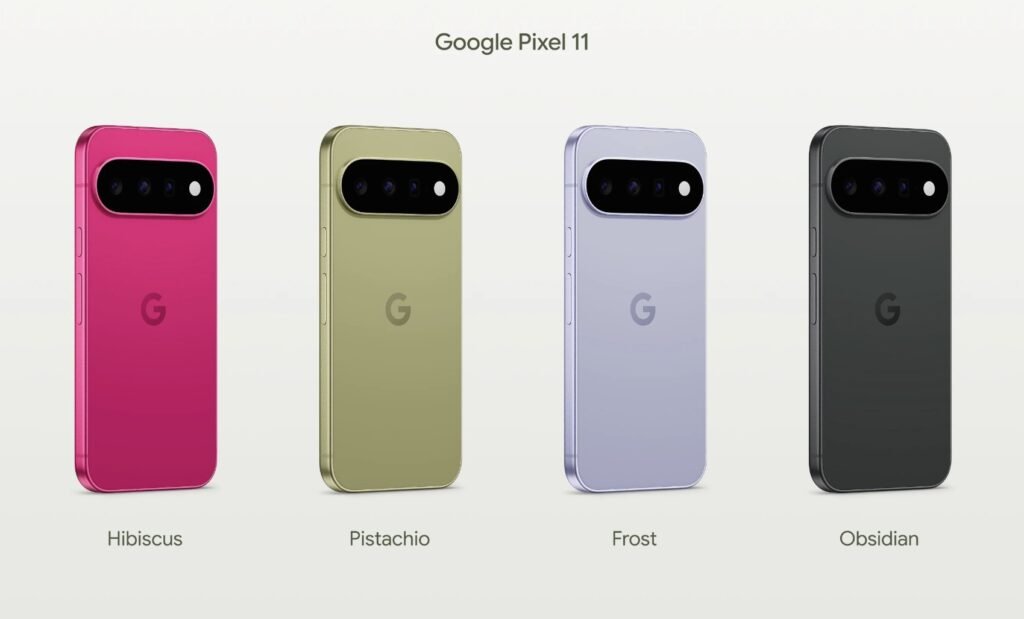
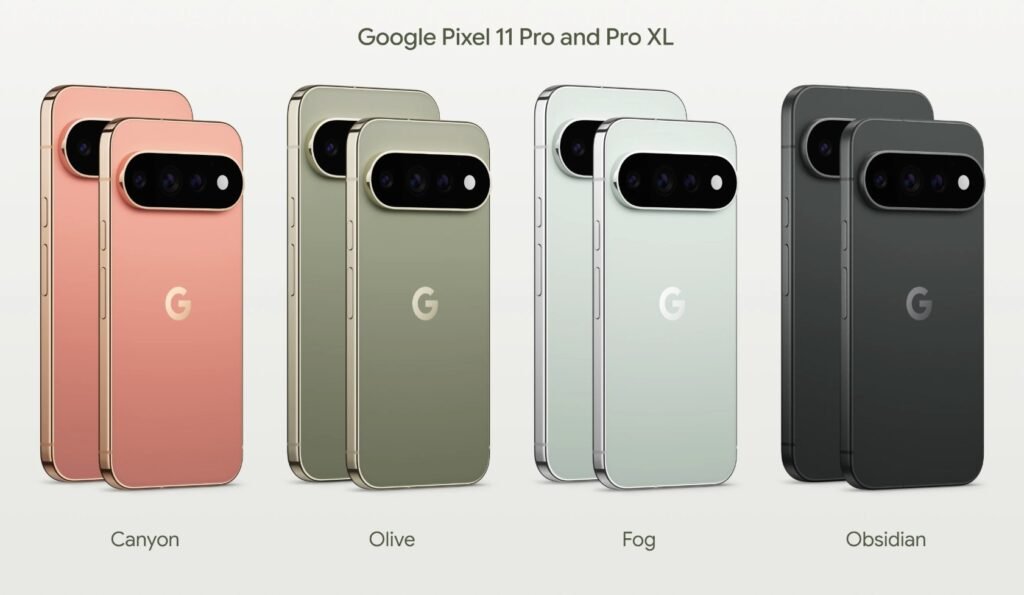
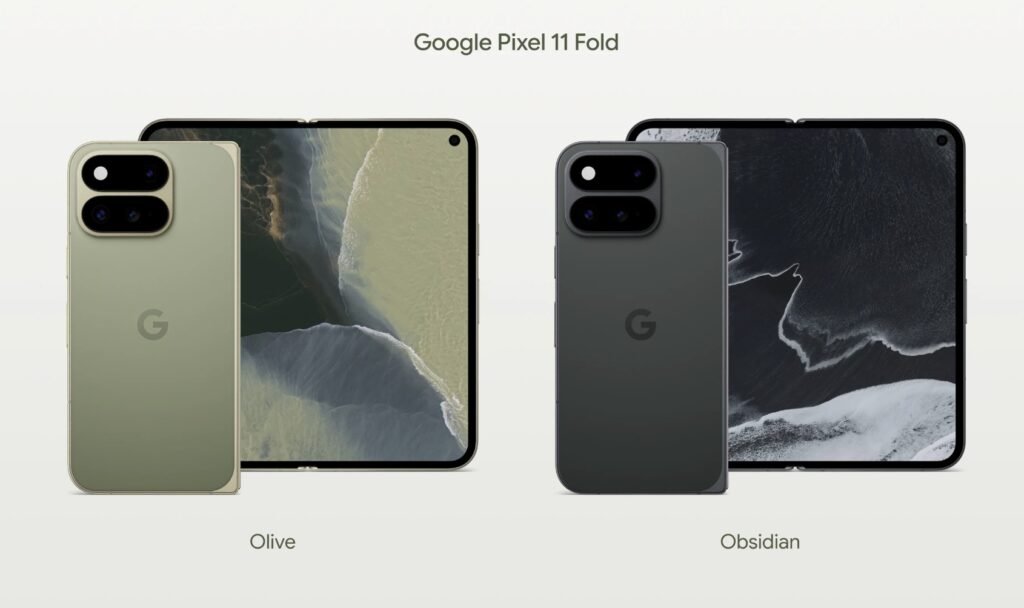
    Google is expected to continue with four main Pixel 11 models: Pixel 11, Pixel 11 Pro, Pixel 11 Pro XL and Pixel 11 Pro Fold. The regular Pixel 11 should be the most compact and accessible flagship. Pixel 11 Pro is expected to keep a smaller Pro footprint while adding the better camera and display hardware. Pixel 11 Pro XL should offer the largest traditional slab-phone experience. Pixel 11 Pro Fold is expected to remain the premium foldable option for buyers who want a tablet-like inner display.

    The practical choice will depend on priorities. Buyers who want the best value will likely focus on the Pixel 11. Buyers who care about camera flexibility, premium display quality and extra memory should look at the Pro models. Buyers who want the largest screen without a fold should consider the Pro XL. Buyers who use their phone for reading, multitasking, documents, video calls and media consumption may find the Pro Fold more compelling, although it is expected to remain the most expensive model.

    Expected release date and availability

    The most widely reported launch date is 12 August 2026 at a Made by Google event in New York. Pre-orders are expected to open around the event, with retail availability possibly starting about a week later. Some reports suggest 20 August 2026 as the likely first sales date for the standard, Pro and Pro XL models. The foldable model may arrive later, which would match Google’s recent pattern of staggering foldable availability after the main Pixel phones.

    For future buyers, the timing matters. If you are planning to buy near launch, expect the best trade-in and pre-order offers to appear immediately after the event. If you are value-focused, waiting for major retail sales may be smarter, especially if prices rise. Pixel phones often receive meaningful discounts after launch, and a higher starting price could make promotions more important than usual.

    Expected design

    The Pixel 11 design is expected to stay close to the Pixel 10 family. That means rounded corners, flat sides, a centred front camera cut-out and a horizontal camera bar across the rear. The biggest visible change could be a darker or all-black camera bar rather than a colour-matched bar. Reports also suggest slimmer bezels, which would help the phones look more modern without forcing a major change in dimensions.

    That continuity may divide buyers. Some will appreciate that Google is not abandoning a recognisable identity. Others may see it as too conservative for a new generation. The more important question is whether Google improves the details: display brightness, thermal performance, battery life, connectivity, charging speed and camera consistency. Those everyday upgrades matter more than a dramatic exterior redesign.

    Expected display upgrades

    The standard Pixel 11 is expected to use a 6.3-inch OLED display with a 120 Hz refresh rate. The Pixel 11 Pro is also expected around 6.3 inches but with a more advanced LTPO OLED panel, allowing the refresh rate to scale more efficiently. The Pixel 11 Pro XL should be the large-screen choice, while the Pixel 11 Pro Fold should offer a cover screen plus a larger inner foldable display.

    Reports suggest Google may use more advanced OLED materials, sometimes described as M16 OLED, for improved brightness, efficiency and colour accuracy. If true, that would matter outdoors and during long usage sessions. Better display efficiency would also support battery life, especially on the Pro XL and Fold, where screen size has a large impact on power draw.

    Tensor G6 and performance expectations

    The Tensor G6 chip is expected to be the biggest internal upgrade. Reports point to a move to a 2 nm process, likely bringing better efficiency, lower heat and improved sustained performance. Pixel phones have not always competed with the fastest Apple and Qualcomm chips in raw benchmark numbers, but Google’s strength has been software optimisation, image processing and AI features. Tensor G6 is expected to continue that direction while improving the basics.

    For buyers, the key questions are not only whether Tensor G6 is faster, but whether it runs cooler, lasts longer and handles modem tasks more efficiently. Everyday performance should be smooth on all models, but heavy gaming, 4K video capture, AI image editing and long navigation sessions will show whether Google has made real progress. If the chip and modem improvements land well, Pixel 11 could feel much more reliable than earlier Tensor generations.

    Connectivity and modem changes

    One of the most important expected changes is a new modem, with reports pointing to MediaTek rather than Samsung modem hardware. This may sound technical, but it could have a major real-world impact. Better modem efficiency can improve battery life, reduce heat, strengthen mobile signal stability and make 5G less punishing on the battery.

    If you live or work in areas with weaker mobile coverage, this is one of the most important things to watch in reviews. Pixel devices are often praised for cameras and software, but connectivity consistency can make or break the experience. Future buyers should wait for independent testing of signal strength, call reliability, hotspot behaviour, 5G battery drain and thermal performance before assuming the modem change solves every issue.

    Expected cameras

    Camera quality will remain a major reason to buy a Pixel. The Pixel 11 is expected to receive a new 50 MP main camera, with ultrawide and telephoto support depending on the model. The Pro and Pro XL are expected to offer more advanced camera systems, including upgraded main and telephoto sensors. The Pro Fold may also receive a broader camera refresh compared with earlier Pixel foldables.

    Google’s camera advantage is usually not just hardware. Computational photography, HDR processing, skin tone rendering, Night Sight, portrait processing, video stabilisation and AI-assisted editing all matter. The Pixel 11 series is expected to lean further into AI tools for photo and video editing, including more advanced object removal, background adjustments, low-light video improvements and intelligent zoom features. Buyers should expect the Pro models to be the safer choice if camera flexibility is the top priority.

    The standard Pixel 11 may still be the best camera value if Google keeps the image processing strong and includes a useful telephoto camera. However, anyone who shoots concerts, kids’ sports, wildlife, travel zoom shots or professional social content should look closely at the Pro and Pro XL camera differences before pre-ordering.

    AI and software features

    The Pixel 11 series is expected to launch with Android 17 and deeper Gemini integration. Google is likely to position the phones as AI-first devices, with features for writing, search, summaries, image editing, call assistance, voice interaction and contextual help. The Pixel line already acts as Google’s showcase for Android, so the Pixel 11 series should be where many of Google’s newest AI features appear first or work best.

    The practical value will depend on how much AI is processed on the device, how fast it works, how private the workflows are and whether premium features require subscriptions. Buyers should pay attention to the difference between free built-in tools, cloud-powered services and paid AI plans. A phone can have excellent AI branding, but the long-term cost of using advanced AI features may become part of the buying decision.

    Pixel Glow and notification features

    One of the more interesting rumoured features is Pixel Glow, described in reports as a light system in or around the camera bar. If it launches, Pixel Glow could provide visual notifications, charging cues or status indicators when the phone is face down. It may also replace or reduce the importance of earlier hardware like temperature sensors on some models.

    This is the type of feature that sounds small but can improve daily use if implemented well. Buyers who miss older notification LEDs may like it. However, the feature may not come to every model, and it may be more prominent on the Pro phones. It is worth waiting for Google’s exact explanation before treating Pixel Glow as a major reason to upgrade.

    Battery life and charging

    Battery expectations vary by model. Reports suggest the base Pixel 11 could sit close to the 5,000 mAh range, while the Pixel 11 Pro may have a slightly smaller battery due to its compact size. The Pixel 11 Pro XL should offer more room for battery capacity, and the Pixel 11 Pro Fold will need a large enough battery to support both a cover display and a bigger inner screen.

    The bigger story may be efficiency rather than raw battery size. A 2 nm Tensor G6, improved OLED panels and a more efficient modem could deliver better battery life even if capacities do not dramatically increase. Charging may also improve, with some reports pointing to faster wired charging on Pro models. Buyers should still wait for real-world tests because Pixel battery life has often depended heavily on signal strength, camera use, AI processing and screen brightness.

    Expected storage and memory

    A major reported change is the removal of the 128 GB entry storage tier. The Pixel 11 series may start at 256 GB across the lineup, with 512 GB options for the standard model and up to 1 TB for Pro models. That would be good news for buyers who keep phones for years, record lots of video, store offline media or use large apps.

    RAM is less clear. Reports suggest the standard Pixel 11 may use 8 GB or 12 GB, while Pro models may offer 12 GB or 16 GB depending on configuration. If Google reduces RAM on some models, buyers should consider how long they plan to keep the device. AI features, multitasking and long-term Android updates may benefit from more memory. For heavy users, 16 GB on a Pro model may age better than a lower-memory base model.

    Expected pricing

    Pricing is one of the most important buyer questions and one of the least certain areas until Google confirms it. Current leaks suggest higher entry prices, partly because the lineup may start at 256 GB instead of 128 GB. Reported US pricing points to approximately $899 for Pixel 11, $1,099 for Pixel 11 Pro, $1,299 for Pixel 11 Pro XL and around $1,799 to $1,999 for Pixel 11 Pro Fold, depending on storage and market.

    European leaks suggest Pixel 11 pricing could begin around €999, Pixel 11 Pro around €1,199, Pixel 11 Pro XL around €1,399 and Pixel 11 Pro Fold around €1,999. UK pricing leaks suggest a similar upward move. These numbers should not be directly converted to Australian pricing because taxes, market positioning, exchange rates and local promotions differ. In Australia, buyers should wait for Google Store AU, major carriers and retailers to confirm local prices and trade-in deals.

    Expected specs table

    ModelExpected key specsExpected starting price
    Pixel 116.3-inch OLED, 120 Hz, Tensor G6, 50 MP main camera, 256 GB base storage, likely 5G, Android 17, Gemini AI features.About US$899 reported for 256 GB.
    Pixel 11 Pro6.3-inch LTPO OLED, Tensor G6, upgraded Pro camera system, expected 12 GB or 16 GB RAM, 256 GB to 1 TB storage, Android 17, deeper AI features.About US$1,099 reported for 256 GB.
    Pixel 11 Pro XLLarger OLED display, Tensor G6, Pro camera system, larger battery than compact Pro expected, 256 GB to 1 TB storage, Android 17, premium AI and camera tools.About US$1,299 reported for 256 GB.
    Pixel 11 Pro FoldFoldable design with cover display and large inner display, Tensor G6, upgraded foldable camera system expected, 256 GB to 1 TB storage, Android 17, multitasking-focused AI features.Roughly US$1,799 to US$1,999 expected.

    Which Pixel 11 should you buy?

    Buy the Pixel 11 if you want the cleanest balance of price, size, camera quality and software support. It should suit most people who want a premium Android phone without paying Pro prices. If the base model starts at 256 GB, it may be more future-proof than past entry Pixels, even if the starting price rises.

    Buy the Pixel 11 Pro if you want a compact flagship with better cameras and display hardware. This may be the sweet spot for buyers who want the best Pixel experience without carrying a large phone. The Pro model should be ideal for photography, travel and daily productivity, provided the battery life is strong enough.

    Buy the Pixel 11 Pro XL if you want the biggest traditional Pixel with the best battery potential, largest non-folding display and full Pro camera setup. It should be the safest choice for heavy users who stream, shoot video, game, navigate frequently and want a device that can last through demanding days.

    Buy the Pixel 11 Pro Fold only if you genuinely need the foldable experience. It should be the most expensive model, and foldables always involve trade-offs in weight, durability, camera layout and battery management. The payoff is a much larger inner display for reading, multitasking, editing documents, watching video and using split-screen apps.

    Share. Facebook Twitter Pinterest LinkedIn Tumblr Email
    Admin

    Related Posts

    Galaxy Z TriFold – Samsung’s First Tri-Fold Galaxy Phone

    July 15, 2026

    Samsung Galaxy S26 Lineup: S26 vs S26+ vs S26 Ultra Compared

    July 15, 2026

    Top Tech Gadgets for Frequent Travellers: Real Products Worth Packing

    July 13, 2026
    Add A Comment

    Comments are closed.

    Discover expert tech reviews, in‑depth specs, hands‑on insights, and the latest smartphones, tablets, wearables, and gadgets. Fabtastic helps you choose the right device with clear comparisons and trusted analysis.

    Follow Us
    • facebook

    Type above and press Enter to search. Press Esc to cancel.