
Tunisia Travel Guide
Tunisia, perched at the northern tip of Africa, is a dazzling tapestry where ancient civilisations, azure coastlines, and dramatic Saharan vistas converge. For international travellers, Tunisia offers a unique blend of history, cultural vibrancy, and natural beauty—its Mediterranean charm, Roman ruins, colourful medinas, and desert adventures form a destination unlike any other. This comprehensive travel guide is designed to help you discover the best of Tunisia, from planning your trip and understanding local customs to exploring its diverse regions and tasting its unforgettable cuisine.
Introduction: Why Visit Tunisia?
Few places so effortlessly weave together the threads of time as Tunisia. Here, Phoenician harbours and Roman amphitheatres sit mere miles from lively souks and serene beaches. The country’s compact size means you can wander from the bustling heart of Tunis to the vast silence of the Sahara within hours. Tunisia is a land of contrasts: Berber villages nestled in mountain crags, whitewashed towns gazing over turquoise bays, and cities where French colonial elegance meets Arab tradition.
International visitors are welcomed with genuine warmth. Tunisia’s people are renowned for their hospitality and pride in their heritage. Whether sharing a cup of mint tea in a Sidi Bou Said café, negotiating the vibrant market stalls of Kairouan, or swapping stories with Bedouin guides beneath desert stars, travellers are invited into a culture rich with stories and generosity.
Getting There: Entry Requirements and Arrival
Visa and Passport Information
Entry to Tunisia is straightforward for most international visitors. Citizens of the European Union, United Kingdom, USA, Canada, Australia, New Zealand, and several other countries may enter visa-free for up to 90 days for tourism. Your passport should be valid for at least six months beyond your planned departure date. For travellers from other nations, a visa may be required and should be obtained in advance from a Tunisian consulate.
Upon arrival, airport customs are usually efficient. Travellers may be asked to show proof of onward travel and an address for their stay. Make sure to retain your entry card, as you’ll need it upon departure.
Major Airports and Arrival Points
The principal international gateway is Tunis–Carthage International Airport (TUN), located just outside the capital. Djerba–Zarzis (DJE) and Monastir Habib Bourguiba (MIR) airports also serve international flights, particularly seasonal charter services. Direct connections link Tunisia to major cities throughout Europe, the Middle East, and North Africa.
For those arriving by sea, ferries from Marseille, Genoa, and Palermo dock at Tunis or La Goulette. Overland travel is possible from Algeria and Libya, though border procedures may vary; always check current regulations well in advance.
Planning Your Trip: When to Go, How to Prepare
Best Time to Visit
Tunisia enjoys a Mediterranean climate along its coastline, with hot, dry summers (June–August) and mild, rainy winters (December–February). Inland, the climate is more arid, particularly in the southern desert regions. Spring (March–May) and autumn (September–November) offer moderate temperatures and clear skies—ideal for sightseeing, hiking, and desert excursions. The shoulder seasons also see fewer crowds, especially in popular tourist areas.
What to Pack
- Lightweight, breathable clothing for warm days; a sweater or light jacket for cool evenings.
- Sunhat, sunglasses, and high-SPF sunscreen for protection against strong sun.
- Comfortable walking shoes—essential for exploring medinas and ancient ruins.
- Swimwear for beaches and pools, and a scarf or shawl for visiting religious sites.
- Adapter for European two-pin plugs (230V).
- Personal medicines and basic first aid kit.
Money and Payments
The Tunisian Dinar (TND) is the official currency. ATMs are widely available in cities and tourist areas, and credit cards are accepted in hotels, restaurants, and major shops. Small vendors and markets prefer cash. It’s illegal to import or export dinars; exchange leftover currency before departure.
Language
Modern Standard Arabic is the official language, with Tunisian Arabic spoken informally. French is widely used in business and tourism. English is common at major sites, hotels, and with younger Tunisians. Learning a few simple greetings in Arabic or French is always appreciated.
Top Destinations: Must-See Places in Tunisia
Tunis
The capital is Tunisia’s beating heart—a city where ancient medinas and modern boulevards thrive side by side. Stroll through the UNESCO-listed Tunis Medina, with its labyrinth of winding alleys, colourful souks, and ornate mosques. Here, history whispers from every stone, while the Ville Nouvelle district reveals French colonial architecture and chic cafés. Don’t miss the Bardo Museum, home to one of the world’s finest collections of Roman mosaics, and the vibrant local markets selling everything from spices to handicrafts.
Carthage
Just northeast of Tunis, Carthage evokes the grandeur of ancient empires. Once the capital of the Phoenician world, Carthage was later rebuilt by the Romans—and today its ruins offer a window into centuries of history. Wander the sprawling archaeological sites: the Antonine Baths, Roman amphitheatre, Punic ports, and stately villas. The Carthage National Museum offers insight into the city’s dramatic rise and fall.
Sidi Bou Said
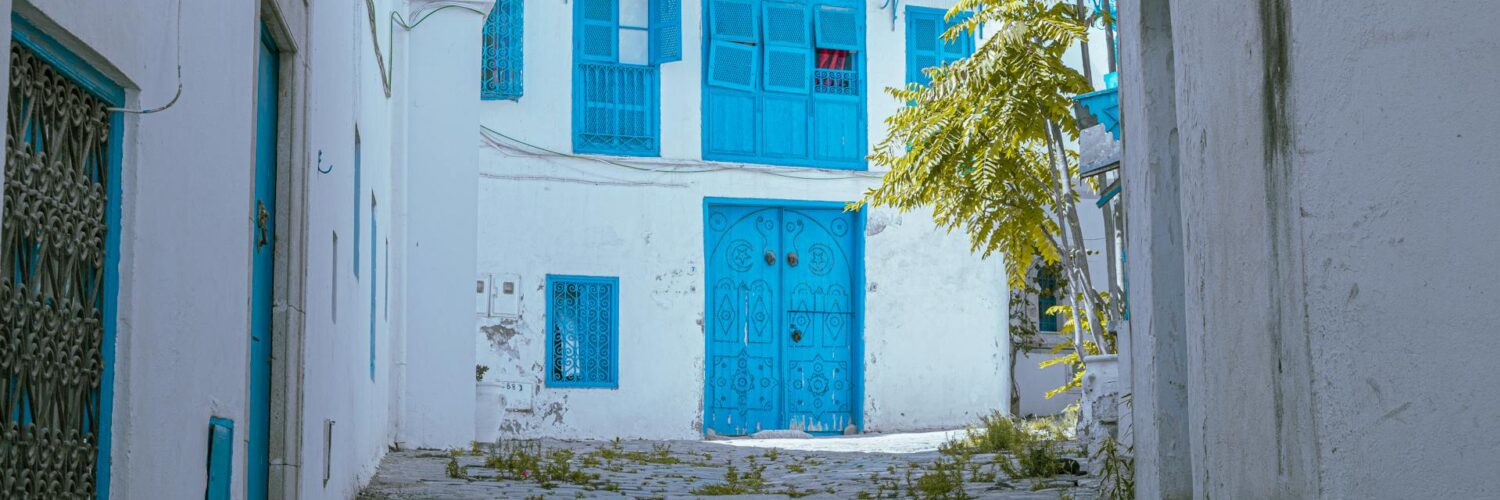
This clifftop village is famed for its whitewashed houses and blue trim—a Mediterranean palette set against spectacular views of the Gulf of Tunis. Artists, writers, and romantics have long been drawn to its cobbled streets and traditional cafés. Try a glass of mint tea, browse the local art galleries, and soak up the laid-back atmosphere. Sidi Bou Said is a perfect day trip from Tunis and a photographer’s dream.
Kairouan
Kairouan, Tunisia’s holiest city, is a UNESCO World Heritage site and a centre of Islamic learning. The Great Mosque, founded in the 7th century, is one of the oldest and most revered in the Islamic world. Explore the city’s medina, a warren of peaceful courtyards and lively markets. Sample makroudh, a local sweet pastry filled with dates and honey, and watch artisans at work weaving carpets—a tradition passed down for generations.
Djerba
Off the southern coast lies Djerba, an island of sandy beaches, Berber villages, and ancient synagogues. The island’s capital, Houmt Souk, delights visitors with its bustling markets and traditional Tunisian architecture. Visit El Ghriba Synagogue, one of the oldest Jewish places of worship in Africa, and explore rural villages to see distinctive domed houses and palm groves. Djerba is ideal for cycling, water sports, or simply relaxing on a palm-fringed beach.
Sahara Desert
No visit to Tunisia is complete without venturing into the Sahara. The oasis towns of Douz and Tozeur serve as gateways to this vast, golden wilderness. Arrange a 4WD expedition, camel trek, or overnight stay in a traditional Berber tent beneath a sky ablaze with stars. The surreal landscapes of Chott el Jerid—a shimmering salt lake—and the oasis villages of Chebika, Tamerza, and Mides are unforgettable. For film buffs, the desert’s lunar beauty has served as a backdrop for classics like “Star Wars” and “The English Patient.”
Dougga
Set among olive groves and rolling hills, Dougga is North Africa’s best-preserved Roman city. Its grand theatre, temples, baths, and forums offer a glimpse into ancient life. Stroll the quiet ruins and contemplate the passage of time in an evocative setting that’s earned UNESCO World Heritage status.
Hammamet
With its sun-soaked beaches and turquoise waters, Hammamet is Tunisia’s premier seaside resort. The old medina, encircled by ancient ramparts, is perfect for leisurely evening strolls. Luxury hotels, golf courses, and spas cater to visitors seeking relaxation and recreation. Hammamet is also a hub for water sports and vibrant nightlife.
Sousse
Sousse, another Mediterranean gem, boasts an impressive ribat (fortress), a lively port, and a historic medina. Its archaeological museum houses an outstanding collection of mosaics. Take time to explore Port El Kantaoui, a modern marina filled with restaurants, shops, and entertainment. Sousse is also famous for its energetic nightlife and family-friendly beaches.
Tozeur
Tozeur is renowned for its distinctive brick architecture and sprawling palm groves. The Dar Cherait Museum showcases regional art and traditions, while nearby oasis villages beckon with their lush gardens and cool springs. Arrange a 4WD tour to visit the desert film locations and experience the magic of Tunisia’s interior.
Matmata and Tataouine
For a truly unique experience, head south to the troglodyte dwellings of Matmata, where Berber families live in homes carved into the earth for coolness and protection. In Tataouine, explore ksour—ancient granaries perched on rocky hills. The region’s surreal landscapes have also featured in “Star Wars,” making them a pilgrimage for fans and adventurers alike.
Culture and History
UNESCO World Heritage Sites
- The Medina of Tunis
- The Amphitheatre of El Jem
- Carthage
- Kairouan
- Dougga
- The Medina of Sousse
- Kerkouane
- Ichkeul National Park
Each site offers a distinct window into Tunisia’s rich historical tapestry, from Roman engineering marvels to sacred Islamic architecture and unique natural reserves.
Local Customs and Festivals
Tunisians are famously hospitable and value courtesy. Greet people with “Salam” (peace) or “Bonjour.” When invited into a home, it’s polite to accept tea or coffee and remove your shoes at the door. Dress modestly, especially in rural areas and religious sites.
Tunisia’s festivals are lively and varied. The Carthage International Festival each summer features world-class music, dance, and theatre. The Sahara Festival in Douz celebrates desert traditions, with camel races, folk music, and traditional crafts. Ramadan is a significant time, when many restaurants may alter hours in respect of fasting traditions.
Cuisine: Flavours of Tunisia
Tunisian Food Highlights
Tunisia’s cuisine blends Mediterranean freshness with North African spice. Common ingredients include olive oil, tomatoes, peppers, lamb, seafood, dates, and almonds. Couscous—the national dish—is a staple, often served with lamb, chicken, or fish and a medley of vegetables. Harissa, a fiery chilli paste, gives many dishes their signature heat.
Must-Try Dishes
- Brik: Thin pastry filled with egg, tuna, capers, and parsley, deep-fried to crispy perfection.
- Lablabi: Hearty chickpea soup flavoured with garlic, cumin, olive oil, and harissa.
- Mechouia: Roasted pepper and tomato salad, topped with tuna, eggs, and olives.
- Makroudh: Semolina pastries filled with dates and honey, a specialty of Kairouan.
- Ojja: Spicy tomato stew with eggs and merguez sausage.
- Seafood: Fresh fish, squid, and prawns are abundant along the coast, often grilled and served with lemon and herbs.
Dining Etiquette
Meals in Tunisia are social occasions, often shared family-style. Eating with the right hand is customary in traditional settings. Alcohol is served in hotels and some restaurants, but less common in conservative areas. Tipping is appreciated and about 10% is customary in restaurants and cafés.
Accommodation: Where to Stay
Whether you seek five-star luxury or atmospheric guesthouses, Tunisia’s accommodation options cater to every budget. International resorts abound along the coast, while boutique “dars” and “riads”—traditional houses converted into guest lodgings—offer charm and character in older districts. For budget travellers, hostels and pensions provide simple, affordable rooms. Adventurous visitors may opt for a desert camp or a troglodyte dwelling in Matmata for a truly memorable stay.
Recommended Hotels and Guesthouses
- La Badira (Hammamet): A chic beachside resort with spa and infinity pool.
- Dar Said (Sidi Bou Said): An atmospheric guesthouse with breathtaking sea views.
- Hasdrubal Thalassa & Spa (Djerba): Luxurious resort featuring traditional spa treatments.
- Dar Tozeur (Tozeur): Boutique lodging with lush gardens and authentic décor.
Transportation: Getting Around Tunisia
Tunisia’s transport system is efficient and accessible. The national rail company (SNCFT) connects Tunis with Sousse, Sfax, and Gabès. Louages—shared taxis and minibuses—are popular for travelling between towns and cities at affordable prices. In urban centres, metered taxis are plentiful; always check the meter is running before you set off. Car hire is available for those who wish to explore rural areas or remote attractions independently.
For travel to Djerba, a causeway links the island to the mainland, and ferries run regularly. Domestic flights also connect Tunis with Djerba and Tozeur, saving time for those on a tight schedule.
Safety and Health
Safety Tips
Tunisia is generally safe for visitors. Exercise usual caution against petty theft in crowded markets and tourist areas. Avoid political demonstrations and check travel advisories for any regional updates. Women travellers may receive attention in conservative areas; dressing modestly is recommended to minimise it.
Health Precautions
No specific vaccinations are required for Tunisia, but routine immunisations should be up-to-date. Tap water is chlorinated in cities, but bottled water is recommended. Pharmacies are abundant and well-stocked. Sun protection, including high-SPF sunscreen and hats, is essential.
- Police: 197
- Ambulance: 190
- Tourist Police (Tunis): +216 71 341 666
Practical Tips
Connectivity
Wi-Fi is widespread in hotels, cafés, and public spaces. Local SIM cards are cheap and easily available at airports and in towns. Electricity is 230V with European-style plugs.
Shopping
Tunisia’s souks and markets are a riot of colour and sound. Bargaining is expected, so don’t be shy—vendors usually enjoy a friendly negotiation. Popular purchases include carpets, ceramics, olive wood, leather goods, and silver jewellery. Fixed-price shops are found in tourist areas for a hassle-free experience.
Sample Itineraries
7-Day Itinerary: Tunisia’s Highlights
- Day 1–2: Explore Tunis, Bardo Museum, and the Medina. Take a side trip to Carthage for ancient ruins.
- Day 3: Visit Sidi Bou Said and Hammamet for coastal charm and relaxation.
- Day 4: Journey inland to Kairouan, visiting the Great Mosque and traditional carpet workshops.
- Day 5: Head to El Jem for the Roman amphitheatre, then onward to Sousse for beach and medina exploration.
- Day 6–7: Fly or travel to Djerba to enjoy beaches, Houmt Souk markets, and El Ghriba Synagogue.
10-Day Itinerary: Culture, Coast, and Desert
- Days 1–3: Tunis, Carthage, and Sidi Bou Said.
- Day 4: Dougga and Bulla Regia for Roman ruins.
- Day 5: Kairouan’s religious and cultural treasures.
- Day 6: Sousse and Monastir on the coast.
- Day 7–8: Tozeur and the oases of Chott el Jerid, plus “Star Wars” sites.
- Day 9–10: Djerba for beaches and Berber heritage.
14-Day Itinerary: In-Depth Tunisia
- Days 1–3: Tunis, Carthage, Sidi Bou Said.
- Day 4: Dougga—Roman ruins and scenic countryside.
- Day 5: Kairouan’s medina and mosque.
- Day 6: El Jem’s amphitheatre.
- Day 7: Sousse and Monastir.
- Day 8–9: Tozeur and the Sahara (Chebika, Mides, Tamerza).
- Day 10: Matmata troglodyte dwellings.
- Day 11–12: Djerba.
- Day 13: Hammamet for relaxation and nightlife.
- Day 14: Tunis for shopping and departure.
Conclusion: Your Tunisian Adventure Awaits
With its welcoming people, archaeological wonders, and landscapes that stretch from Mediterranean shores to Saharan dunes, Tunisia stands as one of North Africa’s most compelling destinations. Let the call of ancient Carthage, the colours of the medina, and the endless desert sky draw you in. Whether your journey is a week or a month, Tunisia’s charm and variety will linger long after you leave. Pack your bags—the adventure of a lifetime is waiting for you in Tunisia!