
Introduction: Why Visit Sweden?
Sweden, the largest country in Scandinavia, is a land of striking contrasts: modern cities blend seamlessly with pristine forests, shimmering lakes, and a dramatic coastline dotted with thousands of islands. Whether you’re drawn to the vibrant urban life in Stockholm, the enchanted winter landscapes of Lapland, or the calm serenity of the archipelago, Sweden offers something for every traveller. Renowned for its high quality of life, progressive culture, and hospitable locals, Sweden is a top-tier destination for those seeking adventure, culture, or simply a peaceful escape.
This guide will help you plan an unforgettable Swedish adventure, covering everything from essential travel tips and top destinations to cultural insights, foodie adventures, and practical recommendations for all types of travellers. So, pack your bags and prepare to explore the wonders of Sweden!
Getting There and Around
Entry Requirements
Citizens from the EU, EEA, and Schengen Area can enter Sweden with just a valid passport or national ID card. Travellers from other countries, including Australia, the US, Canada, and many Asian countries, can enjoy visa-free entry for up to 90 days within a 180-day period. If you plan to stay longer or work during your visit, be sure to check the latest visa regulations on the Swedish Migration Agency’s website. Don’t forget to have travel insurance that covers medical emergencies and personal belongings.
Major Airports and Getting In
Sweden’s main international gateway is Stockholm Arlanda Airport (ARN), located about 40 km north of the capital. Gothenburg Landvetter (GOT) and Malmö Airport (MMX) also handle international flights, connecting Sweden to Europe, Asia, and beyond. Direct trains and airport buses make transfers into city centres quick and convenient.
Trains and Domestic Travel
Sweden boasts an excellent rail network, operated mainly by SJ (Swedish Railways). High-speed trains connect major cities such as Stockholm, Gothenburg, and Malmö efficiently, with picturesque routes extending to the north and south. Booking tickets in advance can secure the best fares, especially during peak seasons. For those venturing to smaller towns or remote areas, regional trains and buses are reliable and comfortable.
Public Transport
Most Swedish cities have well-developed public transport systems, including buses, trams, and metro trains. In Stockholm, the SL card grants access to all metro, bus, and ferry routes, while cities like Gothenburg and Malmö offer similar travel cards for visitors. Tickets must be purchased before boarding and are usually not available for cash on board.
Driving in Sweden
Renting a car provides the freedom to explore Sweden’s countryside and remote regions. Roads are well-maintained, and signage is clear. Remember to drive on the right, keep headlights on at all times (even during the day), and pay attention to speed limits, especially near schools and wildlife crossings. International driving permits are accepted alongside your home country licence for short stays.
Top Destinations
Stockholm: The Capital of Cool
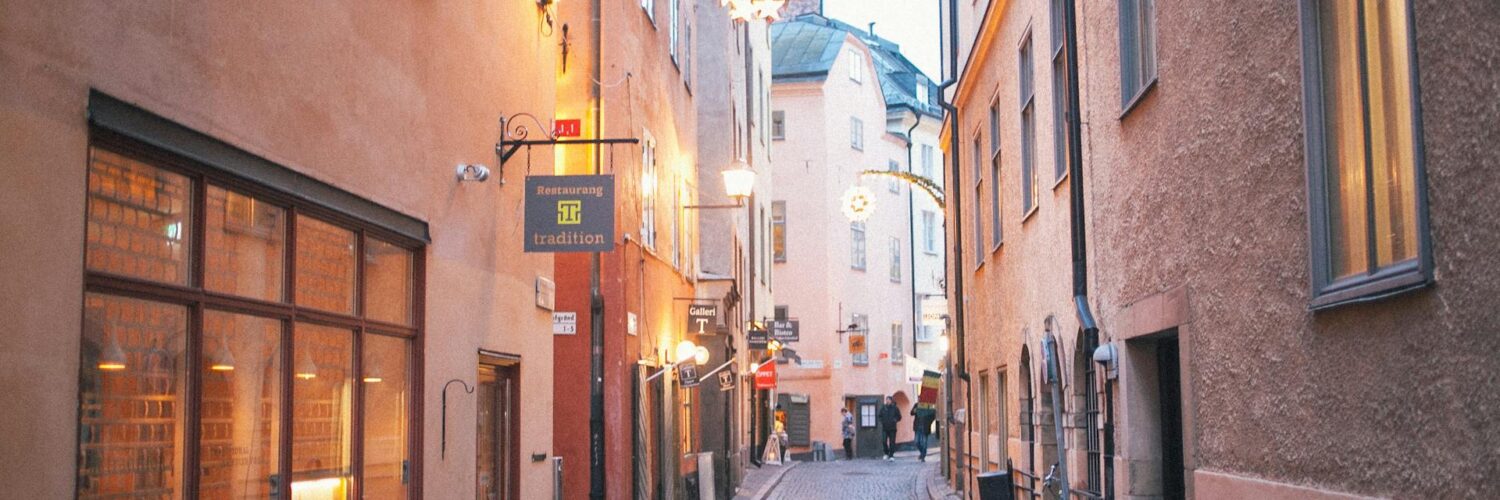
Spread across 14 islands, Stockholm is often called “the Venice of the North”. The city’s heart, Gamla Stan (the Old Town), is a maze of cobbled streets, ochre-hued buildings, and charming cafés. Must-sees include the Royal Palace, Nobel Museum, and the Vasa Museum, home to a perfectly preserved 17th-century warship. Don’t miss a stroll along Strandvägen, and catch a ferry to the island of Djurgården for lush parks and world-class attractions like the ABBA Museum and Skansen open-air museum.
Gothenburg: Laid-back Vibes and Fresh Flavours
Sweden’s second city, Gothenburg, boasts a youthful energy, beautiful canals, and a thriving food scene. Visit the historic Haga district for cosy bakeries and boutiques, or head to Liseberg amusement park for family fun. The city is famous for its seafood, particularly crayfish and oysters, which you can savour at the Feskekôrka (Fish Church) market. The Gothenburg archipelago, a short ferry ride from the city, offers car-free islands perfect for cycling and swimming.
Malmö: Gateway to Europe
Linked to Denmark’s Copenhagen by the iconic Öresund Bridge, Malmö is a multicultural city with a relaxed vibe. Explore the modern architecture of Västra Hamnen (Western Harbour), home to the Turning Torso skyscraper, and wander the cobbled square of Lilla Torg, lined with outdoor cafés and restaurants. Malmö’s parks are perfect for picnics, and the city’s beaches draw locals and visitors alike in summer.
Lapland: Winter Wonderland
For an unforgettable Arctic adventure, head to Swedish Lapland. The region is famous for its Northern Lights displays, midnight sun, and opportunities to meet the indigenous Sámi people. Kiruna, the northernmost city, is the gateway for dog sledding, snowmobiling, and stays at the magical ICEHOTEL in Jukkasjärvi. Abisko National Park is one of the best places in the world to see the aurora borealis.
Gotland: Medieval Magic
Sweden’s largest island, Gotland, sits in the Baltic Sea and is a summer favourite for Swedes. The medieval town of Visby, a UNESCO World Heritage site, is encircled by ancient walls and filled with rose gardens, quaint shops, and historic churches. Gotland’s beaches, limestone cliffs, and local food scene make it a perfect getaway for families and couples.
Uppsala: Academic Heritage
Just 70 km north of Stockholm, Uppsala is known for its prestigious university and stunning cathedral. The city’s botanical gardens, Gustavianum museum, and laid-back cafés make it a charming day trip or overnight stay. Uppsala’s rich history, stretching back to the Viking era, is visible in its runestones and burial mounds at Gamla Uppsala.
Kiruna: Arctic Adventures
Far above the Arctic Circle, Kiruna is a hub for winter sports and Sámi culture. Besides the world-famous ICEHOTEL, visitors can enjoy reindeer safaris, snowshoeing, and exploring the nearby mountains. In summer, the region offers hiking under the midnight sun and fishing in crystal-clear lakes.
Nature and Outdoor Activities
National Parks and Hiking
Sweden is a paradise for nature lovers, with 30 national parks and hundreds of nature reserves. Sarek National Park offers dramatic alpine scenery for experienced trekkers, while Tyresta and Fulufjället cater to families and casual hikers. The Kungsleden (“King’s Trail”) is Sweden’s most famous long-distance hiking route, stretching over 400 km through unspoilt wilderness.
Skiing and Winter Sports
Winter transforms Sweden into a snowy playground. Ski resorts like Åre and Sälen offer downhill and cross-country skiing, snowboarding, and après-ski fun. In Lapland, try ice fishing, snowmobiling, and dog sledding. The season typically runs from December to April, with the best snow in February and March.
Archipelago Tours
Sweden’s coastline is dotted with over 24,000 islands. Stockholm’s archipelago is easily accessible by ferry, offering everything from lively holiday villages to tranquil nature reserves. In the west, the Bohuslän coast is famous for its picturesque fishing villages and granite cliffs. Kayaking, island-hopping, and seal safaris are just a few of the activities awaiting adventurous travellers.
Wildlife Watching
Spotting moose, beavers, and even brown bears is possible in Sweden’s forests and national parks. Birdwatchers will find rare species in the wetlands of Skåne and on the island of Öland. Whale watching is popular on the west coast, while the north is known for its reindeer herds and occasional wolverine sightings.
Culture and History
Swedish Traditions and Festivals
Swedes celebrate a range of unique traditions, many tied to the changing seasons. Midsummer in June is the most beloved, marked by dancing around maypoles, folk music, and feasting on pickled herring and new potatoes. Lucia (St. Lucy’s Day) in December sees processions of children in white gowns and candle crowns. Crayfish parties, Walpurgis Night, and the Sami Jokkmokk Winter Market are other highlights.
Museums and Historical Sites
Sweden’s museums are world-class. The Vasa Museum in Stockholm, the Gothenburg Museum of Art, and Malmöhus Castle are must-visits. History buffs will enjoy the medieval castles scattered across the countryside, Viking burial sites, and the royal palaces. The UNESCO-listed Drottningholm Palace is the private residence of the Swedish royal family and open to visitors.
Arts, Music, and Design
From ABBA to Avicii, Sweden punches above its weight in the music world. The country’s design scene is just as influential, with minimalist furniture, sleek fashion, and innovative architecture. Explore boutiques in Stockholm’s Södermalm district, attend a concert at the Stockholm Concert Hall, or immerse yourself in contemporary art at Moderna Museet.
Food and Drink
Swedish Cuisine
Swedish food is a delicious mix of simplicity and fresh, local ingredients. Traditional fare includes meatballs (köttbullar), pickled herring, gravlax (cured salmon), and hearty stews. Open sandwiches (smörgås) and crispbread (knäckebröd) are staples. For something sweet, try cinnamon buns (kanelbullar) or princess cake (prinsesstårta).
Must-Try Dishes
- Köttbullar: Swedish meatballs, typically served with creamy gravy, lingonberry sauce, and mashed potatoes.
- Räksmörgås: An open-faced prawn sandwich, often topped with mayonnaise, eggs, and dill.
- Surströmming: Fermented herring – an acquired taste, but a true Swedish classic.
- Janssons frestelse: A creamy potato and anchovy casserole, popular around Christmas.
- Semla: A cardamom bun filled with whipped cream and almond paste, traditionally eaten before Lent.
Restaurants, Cafés, and Local Specialties
Sweden’s cities are brimming with Michelin-starred restaurants, cosy cafés, and hip food halls. Stockholm’s Östermalm Saluhall is a food lover’s paradise, while Gothenburg excels in fresh seafood. Don’t miss fika – the Swedish tradition of taking a coffee break with pastries, best enjoyed in a local café. Vegetarians and vegans will find plenty of options, and food allergies are well accommodated.
Accommodation
Hotels and Hostels
Sweden offers accommodation for every budget, from luxury hotels and boutique guesthouses to comfortable hostels and budget chains. Major cities feature internationally recognised brands and stylish design hotels. For those travelling on a shoestring, the STF (Swedish Tourist Association) runs a network of hostels and mountain huts.
Unique Stays
For a memorable night, book a room at the ICEHOTEL in Jukkasjärvi, sleep in a treehouse at Treehotel in Harads, or stay in a lighthouse on the west coast. Rural B&Bs, cosy cabins (stugor), and eco-lodges offer a taste of Swedish hospitality in spectacular settings.
Booking Tips
- Book accommodation well in advance during peak seasons (summer and Christmas/New Year).
- Consider mid-week stays and off-peak months for the best deals.
- Check cancellation policies and look for flexible options.
- Many rural accommodations require your own transport – plan accordingly.
Practical Tips
Currency and Payments
Sweden uses the Swedish krona (SEK). Cash is rarely needed, as most places accept debit and credit cards, including contactless payments via Apple Pay and Google Pay. Some venues are entirely cashless. ATMs are available in all cities and towns.
Language
Swedish is the official language, but English is widely spoken, especially in urban areas and tourist destinations. Learning a few phrases like “hej” (hello) and “tack” (thank you) is appreciated by locals.
Safety and Health
Sweden is one of the safest countries in the world, with low crime rates and excellent healthcare. Tap water is safe to drink everywhere. EU citizens should bring an EHIC/GHIC card for public healthcare access; others should ensure comprehensive travel insurance. Emergency services can be reached by dialling 112.
Connectivity
Free Wi-Fi is common in hotels, cafés, and public areas. Local SIM cards and eSIMs are easily available at airports and convenience stores, offering affordable data plans. Sweden has excellent mobile coverage, even in remote regions.
Etiquette and Local Customs
- Punctuality is highly valued – always arrive on time for appointments.
- Remove shoes when entering someone’s home.
- Queues are strictly observed; wait your turn patiently.
- Alcohol is sold only in state-run Systembolaget shops; bring ID if you look under 25.
- Tipping is appreciated but not obligatory – round up the bill or leave 5-10% in restaurants.
Seasonal Travel
Best Times to Visit
Summer (June to August) is the most popular season, with long daylight hours, lively festivals, and mild weather ideal for outdoor activities. Spring and autumn offer fewer crowds and beautiful natural colours. Winter (December to March) draws visitors to Lapland for snow sports and the Northern Lights, while Christmas markets add festive cheer to cities.
Weather Overview
Southern Sweden has a temperate climate with warm summers (average highs of 20–25°C) and cold, snowy winters. The north is much colder, with temperatures often dropping below -15°C in winter. Pack layers, waterproofs, and sturdy footwear for all seasons.
Seasonal Events and Activities
- Midsummer (June): Dancing, singing, and feasting in the countryside.
- Stockholm Pride (July/August): Scandinavia’s largest LGBTQ+ festival.
- Crayfish parties (August): Traditional outdoor feasts with singing and silly hats.
- Christmas markets (December): Festive stalls, mulled wine, and crafts in cities and castles.
- Northern Lights (October to March): Best viewed in Lapland and above the Arctic Circle.
Shopping and Souvenirs
Sweden is renowned for its design and craftsmanship. Popular souvenirs include Dala horses (painted wooden horses), Sami handicrafts, glassware from the Kingdom of Crystal, textiles, and fashion from local brands like Acne Studios. Stockholm’s Östermalm and Södermalm districts are shopping hotspots, while Gothenburg and Malmö offer unique boutiques and markets. Don’t forget to pick up some Swedish liquorice, cloudberry jam, or marzipan treats.
Sample Itineraries
Classic Sweden (7 Days)
- Day 1–2: Stockholm – Explore Gamla Stan, museums, Djurgården, and experience the nightlife.
- Day 3: Uppsala – Day trip for university, cathedral, and Viking heritage.
- Day 4–5: Gothenburg – Enjoy the canals, seafood, and archipelago.
- Day 6: Malmö – Discover modern architecture and cross the Öresund Bridge.
- Day 7: Gotland – Ferry to Visby for medieval charm and seaside relaxation.
Winter Wonders (5 Days)
- Day 1–2: Kiruna – ICEHOTEL, Northern Lights tour, and Sámi experiences.
- Day 3: Abisko National Park – Hiking, aurora viewing, and snowshoeing.
- Day 4–5: Stockholm – Museums, shopping, and Christmas markets (in December).
Nature and Adventure (10 Days)
- Day 1–2: Stockholm – City highlights and archipelago tour.
- Day 3–4: Kungsleden Trek – Hike part of Sweden’s legendary trail.
- Day 5–6: Jokkmokk – Experience Sámi culture and local cuisine.
- Day 7–8: Åre – Skiing or mountain biking, depending on the season.
- Day 9–10: Gothenburg – Relax in the city and explore the west coast islands.
Conclusion: Final Recommendations and Useful Contacts
Sweden is a destination that rewards curiosity and open-mindedness, whether you’re chasing the midnight sun, sampling innovative cuisine, or hiking through ancient forests. Plan ahead, embrace “lagom” (the Swedish way of balance), and don’t be afraid to venture off the beaten path. For more information and up-to-date travel advice, consult the official Swedish Tourist Board (visitsweden.com) and local visitor centres in every major city.
Useful contacts include the Swedish Emergency Services (112), embassy and consulate details for your home country, and the SJ railway website (sj.se) for train bookings. With its welcoming spirit and endless variety, Sweden is ready to surprise and delight every type of traveller.