
Kenya, located in East Africa, is renowned for its breathtaking landscapes, diverse wildlife, vibrant culture, and warm hospitality. From the rolling savannahs of the Maasai Mara to the white sandy beaches of the Indian Ocean coast, Kenya offers a unique blend of adventure, relaxation, and cultural experiences. This travel guide is tailored for Australian travellers keen to discover the heart of Africa.
Top Destinations in Kenya
- Maasai Mara National Reserve: World-famous for the Great Migration and abundant wildlife including lions, elephants, and cheetahs. The best time to visit is during the migration, typically July to October.
- Nairobi: Kenya’s vibrant capital, home to the Nairobi National Park, Karen Blixen Museum, Giraffe Centre, and a dynamic food scene.
- Lake Nakuru National Park: Known for its thousands of flamingos and as a sanctuary for white and black rhinoceros.
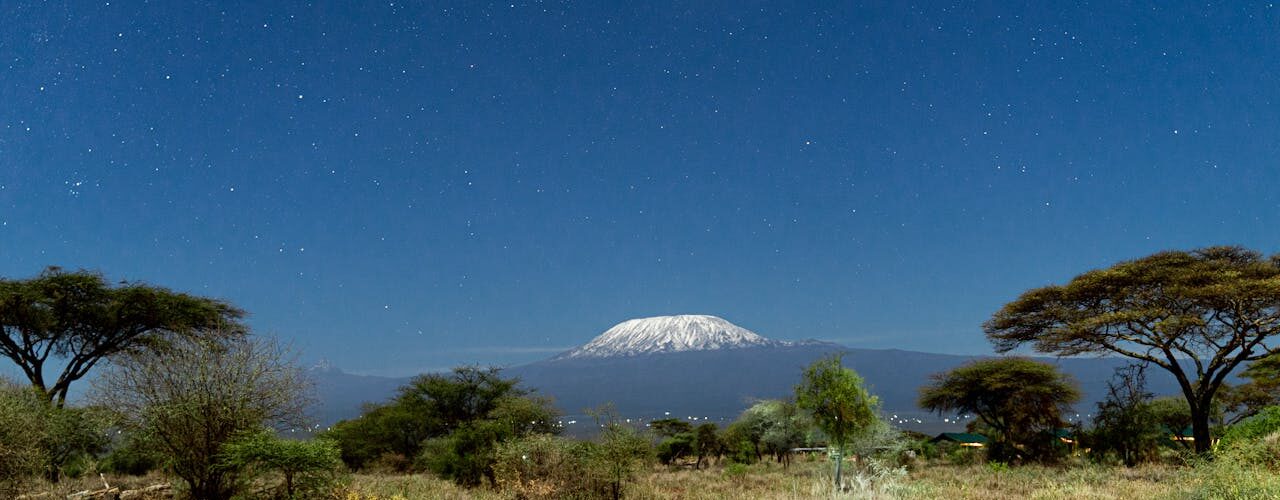
- Amboseli National Park: Famed for its large elephant herds and magnificent views of Mt Kilimanjaro, Africa’s highest peak.
- Kenyan Coast: Relax on the beaches of Diani, Malindi, or Lamu, and explore Swahili history in old coastal towns.
Getting There and Around
Most international flights arrive at Jomo Kenyatta International Airport in Nairobi. Direct flights from Australia may require stopovers in Middle Eastern, Asian, or African hubs. Domestic travel is best via local airlines, matatus (shared minibuses), or hired vehicles. Roads are generally sealed between major towns, but rural routes may be rough.
Visa and Entry Requirements
Foreign passport holders require an e-visa to enter Kenya, which can be applied for online prior to arrival. Passports should be valid for at least six months beyond your intended stay. Proof of onward travel and sufficient funds may also be required.
Health and Safety
- Vaccinations: Yellow fever vaccination is recommended and may be required. Ensure your routine vaccinations (measles, mumps, rubella, tetanus, etc.) are up to date. Malaria prophylaxis is also advised for most regions.
- Safety: Kenya is generally safe for tourists, but exercise caution in crowded public spaces and urban areas. Avoid displaying valuables and be aware of your surroundings, especially in Nairobi and Mombasa.
- Travel Insurance: Comprehensive travel insurance covering medical emergencies, theft, and cancellations is strongly recommended.
Culture and Language
Kenya is home to over 40 ethnic groups, each with unique customs and traditions. The official languages are English and Swahili. Learning basic Swahili greetings, such as “Jambo” (hello) and “Asante” (thank you), is appreciated. Kenyan society is generally friendly and welcoming, with a strong sense of community.
Currency and Costs
The local currency is the Kenyan Shilling (KES). Credit cards are widely accepted in cities and tourist areas, but carrying some cash for rural or market purchases is wise. ATMs are available in major towns. Budget travellers can get by on around $60–$100 AUD per day, while mid-range and luxury options are plentiful.
When to Visit
The dry seasons (June–October and January–February) are ideal for wildlife viewing. The coastal region is best visited from December to March for sunny beach days. The wet seasons (March–May and November) can make travel to some parks challenging due to muddy roads but offer lush scenery and fewer tourists.
Essential Tips for Travellers
- Pack light, breathable clothing, a hat, sunscreen, and insect repellent.
- Respect local customs and dress modestly, especially in rural and Muslim coastal areas.
- Always ask permission before photographing people.
- Drink bottled or filtered water to avoid stomach upsets.
- Support local communities by purchasing crafts and using local guides.
Must-Try Kenyan Foods
- Nyama Choma: Grilled meat, usually goat or beef, served with kachumbari (tomato and onion salad).
- Ugali: A staple maize meal served with vegetables, meat, or stews.
- Sukuma Wiki: Collard greens often cooked with onions and tomatoes.
- Samosas and Mandazi: Popular snacks reflecting Kenyan-Indian influences.
Responsible Tourism
Support conservation efforts by visiting community-run lodges and ethical wildlife experiences. Respect the environment by minimising plastic use and following park rules during safaris. Engage with local communities, learn about their cultures, and leave only footprints behind.
Useful Contacts
Kenya Tourism Board: [URL]/
Conclusion
Kenya promises a once-in-a-lifetime adventure, whether you’re spotting the Big Five on safari, trekking through the highlands, or soaking up the sun on pristine beaches. With a little preparation and an open mind, you’ll experience the magic of Africa in unforgettable ways. Happy travels!