
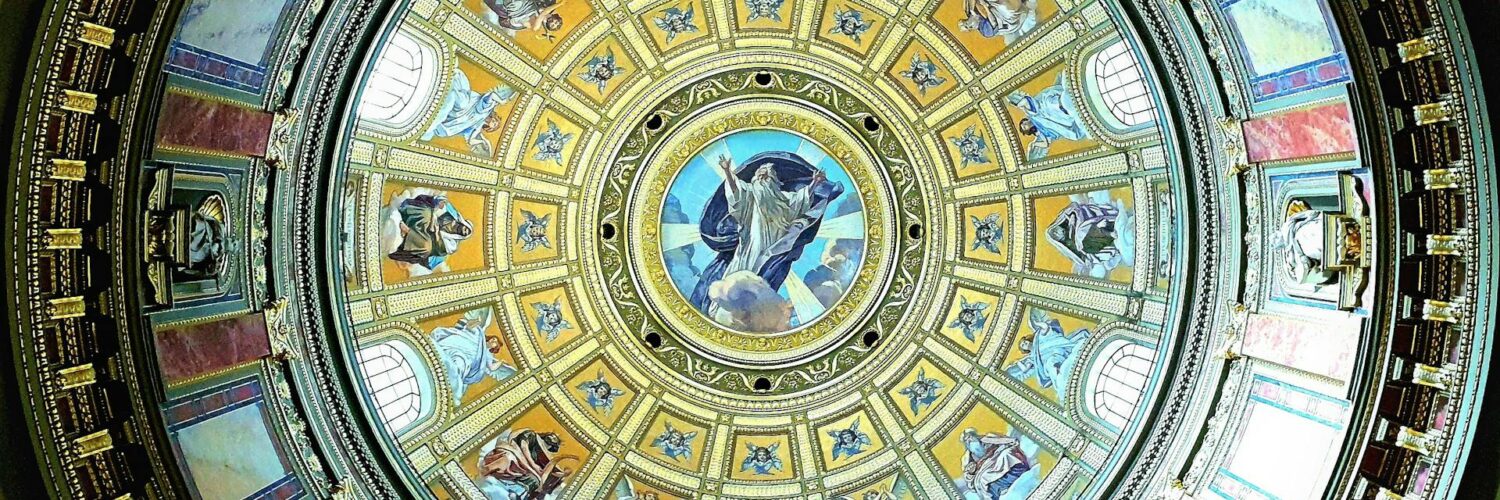
Nestled in the heart of Central Europe, Hungary is a nation brimming with history, vibrant culture, and scenic landscapes. Renowned for its grand architecture, soothing thermal baths, and the mighty Danube River, Hungary offers a unique blend of tradition and modernity. Whether you’re a first-time visitor or a seasoned traveller, this guide provides practical advice, must-see highlights, and cultural tips to help you make the most of your Hungarian adventure.
Getting There and Around
- By Air: Budapest Ferenc Liszt International Airport (BUD) is Hungary’s main international gateway, with direct flights from major cities worldwide.
- By Rail: Hungary is well connected to neighbouring countries such as Austria, Slovakia, and Serbia via efficient train services. Budapest’s Keleti, Nyugati, and Déli stations are primary rail hubs.
- Public Transport: Within cities, especially Budapest, an extensive network of metros, trams, trolleybuses, and buses makes getting around easy and affordable. Consider buying a travel card for unlimited rides.
- Driving: Roads are generally well maintained. Remember, driving is on the right-hand side, and a valid international driving permit may be required for non-EU visitors.
Top Destinations
- Budapest: The capital city is split by the Danube into Buda and Pest. Explore Buda Castle, soak in the Széchenyi thermal baths, and stroll along the iconic Chain Bridge.
- Lake Balaton: Central Europe’s largest freshwater lake is a summer hotspot for swimming, sailing, and wine tasting in the Balaton Uplands.
- Eger: A historic town famed for its baroque architecture, Eger Castle, and the renowned ‘Bull’s Blood’ red wine.
- Pécs: Known for its Roman ruins, vibrant art scene, and Mediterranean atmosphere.
- Hortobágy National Park: Hungary’s largest national park, showcasing the unique Puszta (steppe), traditional shepherd culture, and rare wildlife.
Hungarian Culture and Etiquette
- Language: Hungarian (Magyar) is the official language. English is widely spoken in tourist areas, but learning a few basic phrases is appreciated.
- Currency: Hungarian Forint (HUF). Credit and debit cards are widely accepted, but carry some cash for smaller establishments.
- Dining: Tipping (usually around 10%) is customary. Try local dishes like goulash, lángos, and chimney cake.
- Etiquette: Greet with a handshake, maintain eye contact, and address people formally unless invited to use first names.
Must-Try Hungarian Experiences
- Thermal Baths: Hungary boasts over a thousand hot springs. In Budapest, don’t miss the Széchenyi, Gellért, or Rudas baths.
- Danube River Cruise: Enjoy stunning cityscapes and illuminated landmarks by night.
- Wine Regions: Explore Tokaj for sweet dessert wines, or Villány and Eger for robust reds.
- Festivals: Time your visit with events such as the Sziget Music Festival or Budapest Wine Festival for a vibrant local experience.
Practical Information
- Climate: Hungary experiences four distinct seasons. Summers (June–August) are warm and lively, while winters (December–February) can be cold with occasional snow.
- Visas: Hungary is part of the Schengen Area. Check visa requirements based on your nationality before travelling.
- Health and Safety: Tap water is safe to drink. Emergency services can be reached by dialling 112.
- Electricity: 230V, 50Hz, with European-style two-pin plugs.
Useful Tips for Travellers
- Always validate your public transport ticket before boarding to avoid fines.
- Many museums and attractions are closed on Mondays.
- ATMs are readily available in cities and towns.
- Watch out for pickpockets in crowded areas, especially in Budapest.
Fabtastic or Not?
Hungary offers a rich blend of history, natural beauty, and culinary delights, making it a captivating destination for travellers from all over the world. With its welcoming locals and affordable experiences, Hungary promises a memorable holiday for every kind of explorer. Pack your bags and get ready to discover the heart of Central Europe!