
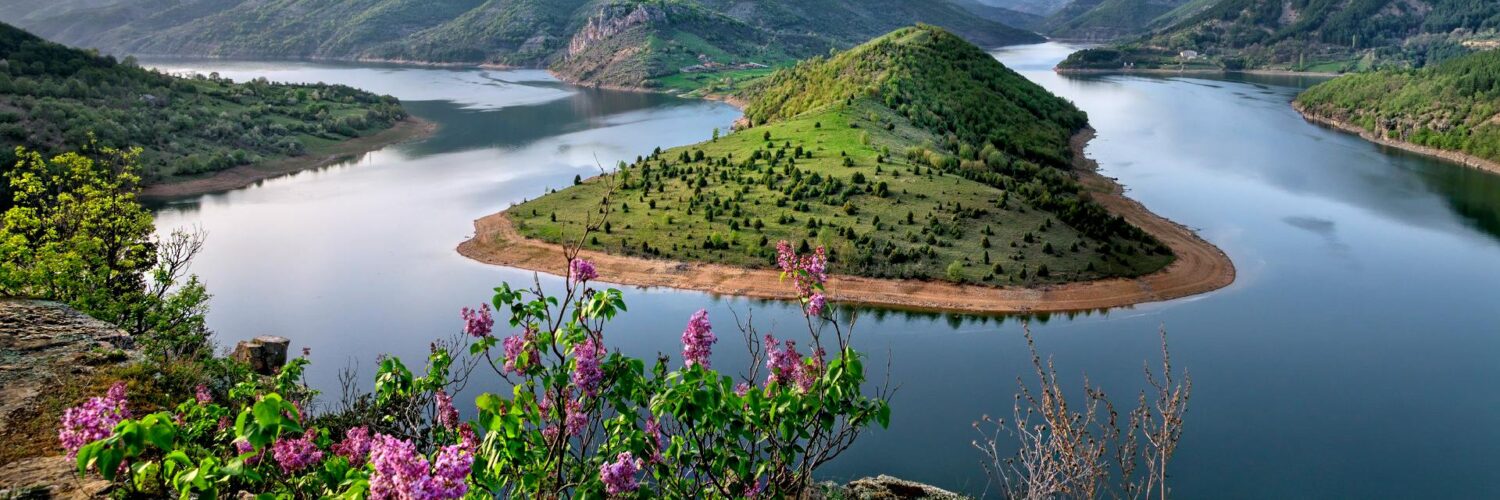
Bulgaria, nestled in southeastern Europe, is a country brimming with history, natural beauty and vibrant culture. Whether you’re seeking golden beaches, rugged mountains, ancient ruins or city nightlife, Bulgaria offers something for every traveller. This guide provides essential insights for global visitors, including travel tips, top destinations, cultural etiquette and practical advice in authentic Australian English.
Getting There and Around
- Entry Requirements: Most visitors from Australia, the EU, UK, USA and Canada can enter Bulgaria for short stays without a visa. Always check current requirements before travelling.
- Main Airports: Sofia (the capital), Varna (Black Sea coast) and Burgas (summer holiday hotspot) are the largest international gateways.
- Transport: Bulgaria’s extensive bus and train networks connect major cities and towns. Renting a car or using rideshare apps offers flexibility, especially for exploring rural and mountainous areas. Taxis are affordable – always ask for the meter to be switched on.
Top Destinations
- Sofia: The capital blends Roman ruins, Ottoman mosques and Soviet architecture. Explore the Alexander Nevsky Cathedral, Vitosha Mountain and lively cafés.
- Plovdiv: Europe’s oldest continually inhabited city, renowned for its Roman theatre, cobbled Old Town and creative Kapana arts district.
- Veliko Tarnovo: Medieval fortress city perched on dramatic cliffs, once the capital of Bulgaria’s empire.
- Rila Monastery: Bulgaria’s most famous Orthodox monastery, set amid stunning mountain scenery.
- Black Sea Coast: Sunny Beach and Sozopol offer golden sands, nightlife and family fun. The northern coast is quieter and offers picturesque villages.
- Bansko & Pamporovo: Ski resorts with modern facilities and traditional charm.
Culture and Traditions
Bulgarians are proud of their rich heritage. Folk music, dance, rose oil production and Orthodox Christian festivals are integral to local life. The Cyrillic alphabet is used, and locals appreciate efforts to learn a few Bulgarian words. Traditional cuisine features hearty stews, fresh salads like shopska, and pastries such as banitsa.
Practical Tips
- Currency: Bulgarian Lev (BGN). ATMs are common, and most places accept credit cards.
- Language: Bulgarian is the official language; English is widely spoken in tourist areas.
- Weather: Bulgaria enjoys warm summers (June-August) and cold, snowy winters (December-February). Spring and autumn are mild and ideal for hiking.
- Safety: Bulgaria is generally safe for tourists. Always take standard precautions, especially in busy areas.
- Local Etiquette: Nodding means “no” and shaking your head means “yes” – the opposite of many countries! Greeting with a handshake is common, and locals value politeness.
Must-Try Experiences
- Hike in the Rila or Pirin Mountains for breathtaking views.
- Sample local wines and rakia (fruit brandy).
- Attend a folk music festival or traditional village celebration.
- Relax at a seaside resort or explore ancient Nessebar, a UNESCO-listed town.
- Visit a rose valley in May-June for the famous rose harvest.
Travel Essentials
- Emergency Number: Dial 112 for police, ambulance or fire services.
- Time Zone: Bulgaria operates on Eastern European Time (UTC+2), two hours ahead of Dublin.
- Electricity: 230V, European plug (type C or F).
Fabtastic or Not?
Bulgaria is a hidden gem of Europe, offering affordable adventures, friendly locals and a variety of landscapes. Whether you’re sightseeing, hiking, skiing or relaxing on the beach, Bulgaria promises memorable experiences for travellers from around the globe.