Smartwatches in 2026 are no longer simple notification screens. This year’s launches and flagship refreshes show a clear shift toward AI-assisted health insights, brighter displays, longer battery life, more accurate GPS and deeper smartphone integration. Major buying guides and wearable trackers published in 2026 consistently highlight the same themes: Apple remains the default choice for iPhone users, Samsung and Google lead the Wear OS field for Android, while Garmin and Amazfit continue to stand out for athletes, outdoor users and battery-focused buyers.
Because availability and pricing vary by region, the prices below are approximate global launch or street-price ranges in US dollars. Local prices may differ because of taxes, import duties, cellular variants, case materials, straps and retailer promotions.
Quick Comparison Table
| Rank | Smartwatch | Best For | Standout Specs | Approx. Global Price |
| 1 | Apple Watch Series 11 | Best overall for iPhone | watchOS, 24-hour battery, ECG, blood oxygen, hypertension alerts, AI coaching | From about US$399 |
| 2 | Samsung Galaxy Watch 8 | Best Android all-rounder | Wear OS 6, 3,000-nit AMOLED, Galaxy AI/Gemini, BioActive sensors | About US$299–399 |
| 3 | Google Pixel Watch 5 | Best for Pixel and Fitbit users | Wear OS, Fitbit integration, Gemini AI, bright AMOLED, improved battery | From about US$399 |
| 4 | Apple Watch Ultra 3 | Premium outdoor iPhone watch | Titanium, satellite safety, 3,000–3,500-nit display, longer battery | From about US$799 |
| 5 | Garmin Fenix 8 AMOLED | Serious athletes and adventurers | AMOLED, up to 29-day battery, maps, training load, dive-rated build | About US$999–1,099 |
| 6 | Garmin Venu 4 | Fitness plus everyday style | 10–12 day battery, ECG, multi-band GNSS, training tools | About US$549 |
| 7 | OnePlus Watch 3 | Battery-first Wear OS value | Dual-chip architecture, up to 5-day battery, Wear OS apps | About US$249–329 |
| 8 | Apple Watch SE 3 | Affordable iPhone smartwatch | Always-on display, S-series chip, sleep features, Apple ecosystem | About US$239–249 |
| 9 | Amazfit Active Max | Budget battery champion | Zepp OS, up to 25-day battery, bright display, sports tracking | About US$169 |
| 10 | Withings ScanWatch Light | Hybrid style and long battery | Analog look, health tracking, about 30-day battery, minimalist screen | About US$250–370 |
1. Apple Watch Series 11
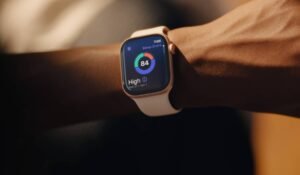
The Apple Watch Series 11 is the most polished smartwatch of the year for iPhone users. Its biggest appeal is not one single specification, but the way its health sensors, notifications, apps, payments, safety tools and fitness features work together inside the Apple ecosystem. Several 2026 buyer guides rank it at or near the top because it improves battery life to around a full day while adding stronger health and AI-assisted coaching features.
Key specs and standout features: watchOS support, always-on OLED display, ECG, blood oxygen tracking, sleep insights, hypertension-style alerts, workout coaching, fast charging and deep iPhone integration. It stands out because it offers the strongest app ecosystem and the most seamless experience for iPhone owners.
Approximate global pricing: from about US$399 for the base model, with higher prices for larger cases, cellular models and premium materials.
2. Samsung Galaxy Watch 9
The Samsung Galaxy Watch 9 is one of the most important Android smartwatches of 2027. It builds on Samsung’s health and AI platform with a brighter AMOLED display, faster performance and deeper Galaxy AI/Gemini‑style assistance. It is especially attractive for Galaxy phone owners because features such as body composition analysis, ECG availability in supported regions and Samsung ecosystem controls continue to work best within Samsung’s device family.
Key specs and standout features: Wear OS 7, One UI Watch, 3,500‑nit‑class AMOLED display, upgraded BioActive 2 health sensors, enhanced sleep coaching, running and workout guidance, ECG, body composition tools, Galaxy AI/Gemini‑style wrist assistance, and improved battery efficiency. It stands out because it remains the strongest full‑featured smartwatch for Android users who want a refined balance of apps, health insights and everyday convenience.
Approximate global pricing: about US$329–429 depending on size, Bluetooth/LTE version and regional promotions.
3. Google Pixel Watch 5
The Google Pixel Watch 5 is one of the most important Google‑ecosystem smartwatches of 2026. It combines the latest Wear OS experience with Google Health, a brighter LTPO AMOLED display and deeper Gemini‑powered assistance. It is especially attractive for Pixel phone owners because features such as advanced health insights, ECG availability in supported regions and Google ecosystem controls work best with Google devices.
Key specs and standout features: Wear OS 7, Google Health + Fitbit integration, 3,000‑nit‑class LTPO AMOLED display, upgraded multi‑sensor health suite (ECG, AFib detection, skin temperature, skin conductance), improved sleep and recovery metrics, dual‑frequency GPS, Gemini‑style proactive wrist assistance, safety tools including Satellite SOS (LTE models), and faster charging. It stands out because it is the strongest full‑Google smartwatch for users who want a clean, AI‑enhanced blend of apps, health and everyday convenience.
Approximate global pricing: about US$399–529 depending on size, Bluetooth/LTE version and special editions.
4. Apple Watch Ultra 3
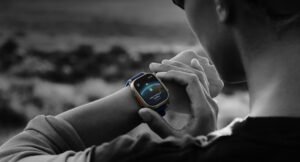
The Apple Watch Ultra 3 is the premium Apple option for hikers, runners, divers, endurance athletes and outdoor users who want a larger, tougher watch. It is built around a rugged titanium case, a very bright display and longer battery life than the standard Apple Watch. For iPhone users who need durability and safety features, it is the most capable Apple wearable of the year.
Key specs and standout features: titanium construction, large high-brightness display, multi-day low-power modes, advanced GPS, depth/outdoor tools, emergency and satellite-style safety features in supported regions, ECG, blood oxygen and workout tracking. It stands out because it brings Apple’s ecosystem into a more rugged adventure-focused package.
Approximate global pricing: from about US$799, with regional variations based on taxes and bands.
5. Garmin Fenix 8 AMOLED
The Garmin Fenix 8 AMOLED is less of a general smartwatch and more of a professional-grade multisport instrument. It is aimed at athletes, expedition users, hikers, cyclists, runners, divers and anyone who values battery life and training analytics over third-party app variety. Its headline advantage is endurance: many lists cite battery life measured in days or weeks rather than hours.
Key specs and standout features: AMOLED display, rugged build, advanced GPS and maps, training readiness, HRV, VO2 max, recovery insights, dive-rated design on supported models and long battery life of up to about 29 days depending on mode. It stands out because it is one of the most complete outdoor and performance watches available.
Approximate global pricing: about US$999–1,099, depending on case size, materials and sapphire/titanium options.
6. Garmin Venu 4
The Garmin Venu 4 is the more lifestyle-friendly Garmin option. It suits people who want a stylish AMOLED smartwatch with serious fitness tracking but do not need the bulk or price of a Fenix. It also works across iPhone and Android, making it a flexible choice for households or users who may switch phones later.
Key specs and standout features: AMOLED display, around 10–12 days of battery life, ECG support in eligible markets, multi-band GNSS, health snapshot tools, sleep tracking, fitness age, workouts and Garmin’s subscription-free training insights. It stands out because it offers strong battery life and advanced fitness features in a watch that still looks suitable for everyday wear.
Approximate global pricing: about US$549.
7. OnePlus Watch 3
The OnePlus Watch 3 is a value-focused Wear OS option for Android users who dislike charging every night. Its appeal is the balance between smartwatch apps and unusually strong battery performance. It may not have the brand prestige of Apple, Samsung or Garmin, but it is one of the most practical choices for users who want Wear OS with fewer charging interruptions.
Key specs and standout features: Wear OS app support, dual-chip architecture, large battery, health and fitness tracking, calls and notifications, durable design and multi-day battery life commonly cited around five days in typical use. It stands out because it solves one of the biggest Wear OS complaints: short battery life.
Approximate global pricing: about US$249–329 depending on market and configuration.
8. Apple Watch SE 3
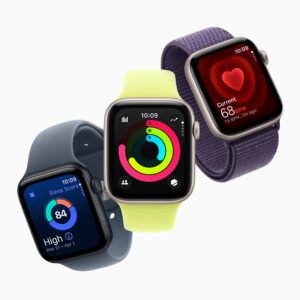
The Apple Watch SE 3 is the best choice for iPhone users who want the Apple Watch experience without paying flagship prices. It omits some premium sensors and materials, but it gives users the most important daily features: notifications, workouts, safety tools, Apple Pay, sleep tracking and iPhone integration.
Key specs and standout features: always-on display in newer versions, Apple silicon, core health tracking, sleep tools, crash/fall detection on supported models, Apple Pay and strong app compatibility. It stands out because it brings the Apple ecosystem to a much lower price point than the Series or Ultra models.
Approximate global pricing: about US$239–249 for the entry model.
9. Amazfit Active Max
The Amazfit Active Max is the strongest budget pick in many 2026 lists because it delivers long battery life, a bright display and broad fitness tracking at a much lower price than premium rivals. It is not as app-rich as Apple Watch or Wear OS watches, but for users who mainly want steps, workouts, sleep, heart rate, notifications and long endurance, it is very compelling.
Key specs and standout features: Zepp OS, long battery life of up to about 25 days in lighter use, sports modes, heart-rate tracking, blood oxygen monitoring, sleep tracking and a bright AMOLED-style display. It stands out because it gives casual users many core smartwatch features at a fraction of flagship pricing.
Approximate global pricing: about US$169.
10. Withings ScanWatch Light
The Withings ScanWatch Light is different from the rest of the list because it is a hybrid smartwatch. It looks more like a traditional analog watch and uses a smaller screen for health data and notifications. This makes it ideal for people who want health tracking and long battery life without wearing an obvious gadget.
Key specs and standout features: analog-style design, step tracking, sleep tracking, heart-rate monitoring, connected app insights and battery life often measured in weeks rather than days. It stands out because it offers discreet health tracking for users who value classic design and low charging frequency over apps and a large touchscreen.
Approximate global pricing: about US$250–370 depending on model, retailer and region.
Final Verdict
The best smartwatch of 2026 depends less on the watch itself and more on the phone, lifestyle and charging habits of the buyer. iPhone users should start with the Apple Watch Series 11 or Ultra 3, Android users should compare Samsung Galaxy Watch 8 and Google Pixel Watch 4, and fitness-first users should look closely at Garmin. Buyers on a budget now have credible options too, especially from Amazfit and Apple’s SE line. The biggest trend this year is clear: smartwatches are becoming smarter health companions, not just mini phones for the wrist.
Research note: This article is based on current 2026 smartwatch launch trackers and comparison guides from wearable technology publications, including sources that list Apple Watch Series 11, Samsung Galaxy Watch 8, Google Pixel Watch 4, Garmin Venu 4, Garmin Fenix 8, Amazfit Active Max, OnePlus Watch 3 and related models among the year’s most notable smartwatch choices.